

About ASIATOOLS
Founded in 2012, our company is a leading Chinese manufacturer specializing in high-end CNC machine tools and critical functional components. As a significant production and sales base for high-end CNC machine tools in China, it has established sales and after-sales service networks across various regions nationwide. Our company is dedicated to providing global clients with high-quality, efficient, and reliable machine tools and services. It consistently prioritizes customer satisfaction as the benchmark for service quality.
Top Seller
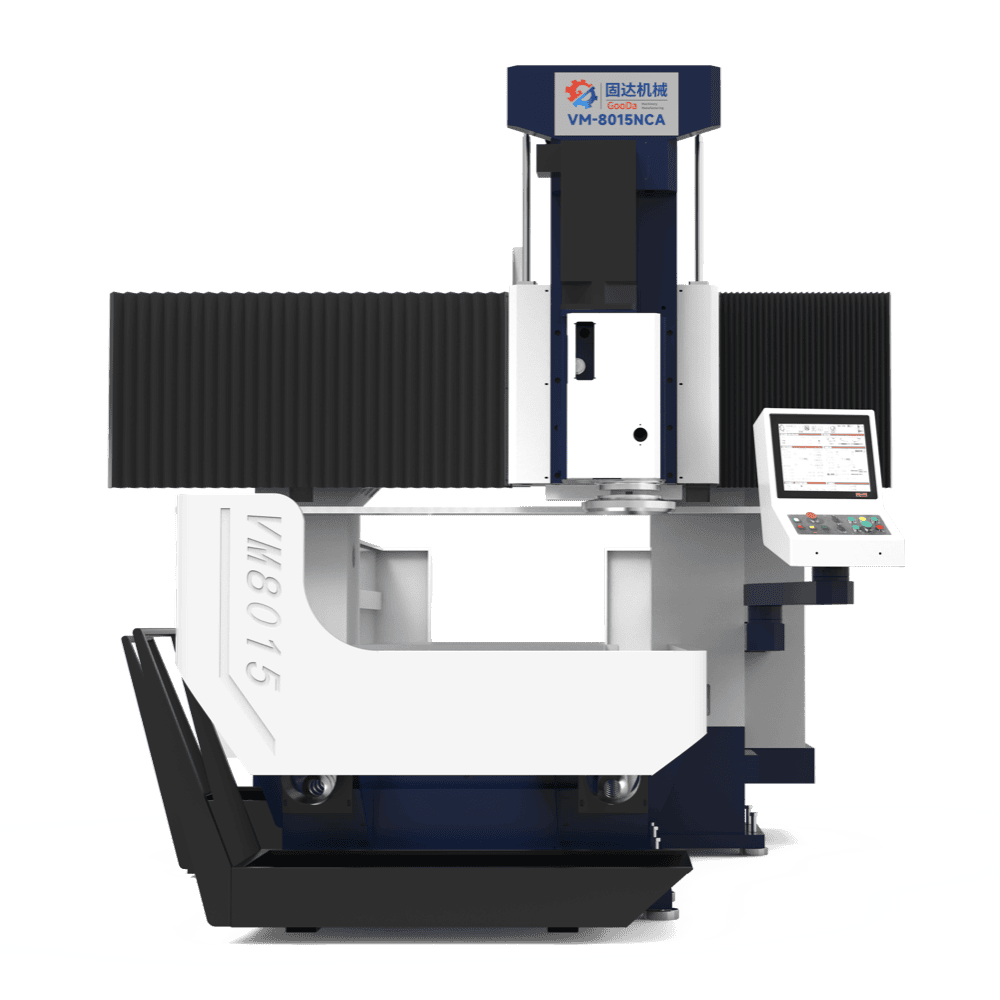
VM-8015NCA
Max. machine size(W*L) 800*1500mm
Distance between two columns 1300mm
Max. machine height 350/450mm
Max. load capacity 4000KG
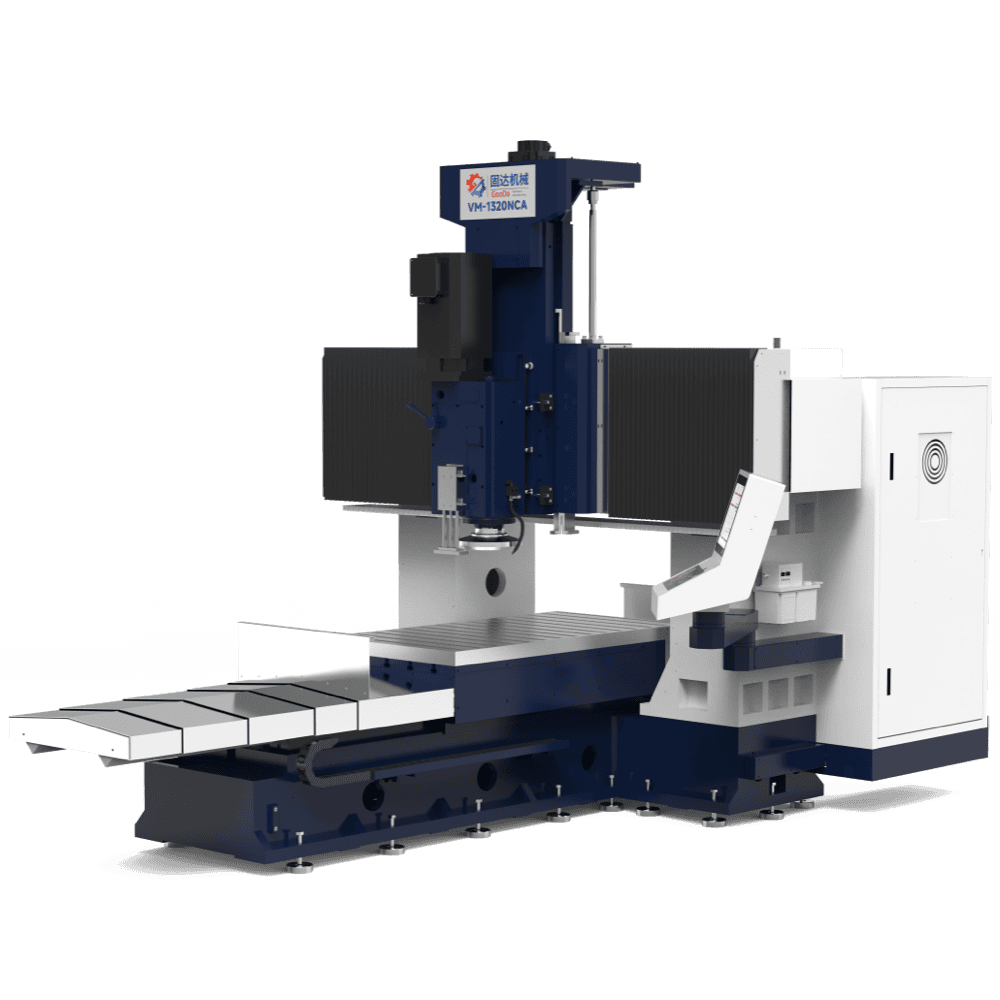
VM-1320NCA
Max. machine size(W*L) 1000*2000mm
Distance between two columns 1300mm
Max. machine height 290/350/450mm
Max. load capacity 5000KG
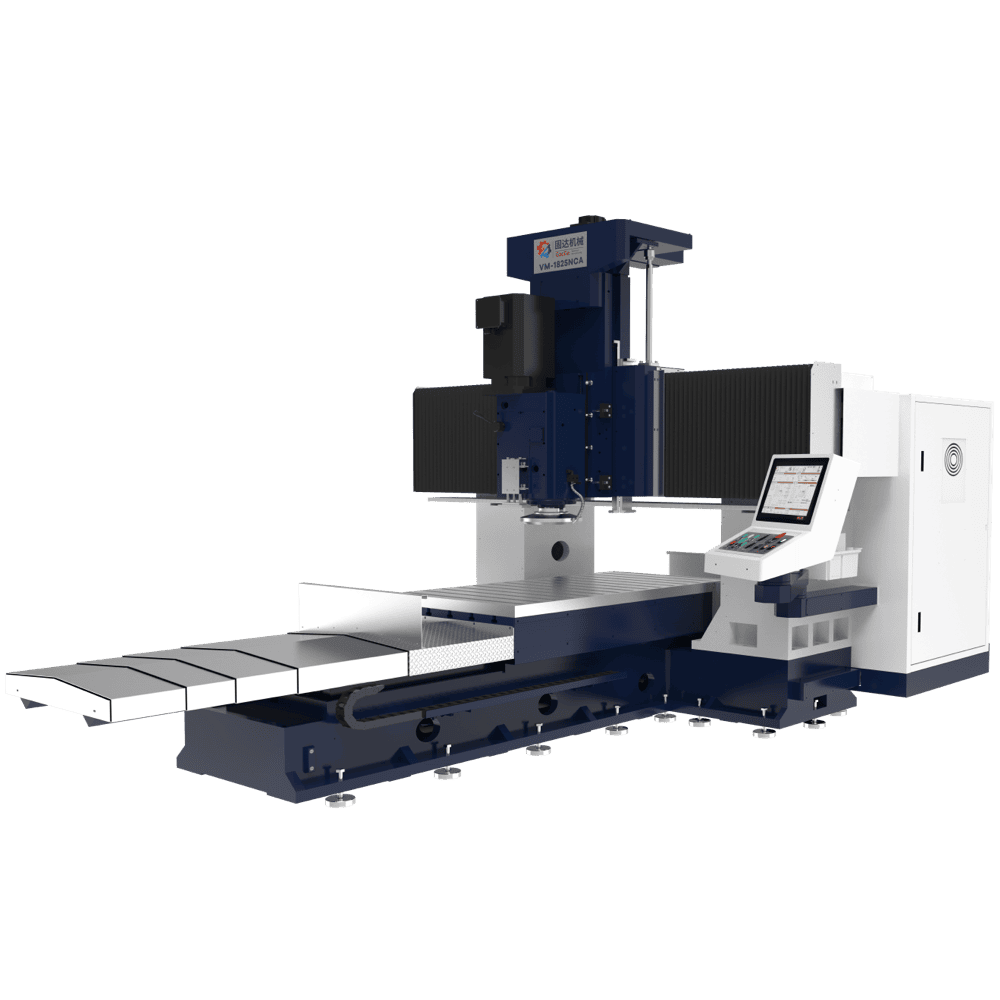
VM-1825NCA
Max. machine size(W*L) 1400*2500mm
Distance between two columns 1800mm
Max. machine height 500mm
Max. load capacity 8000KG
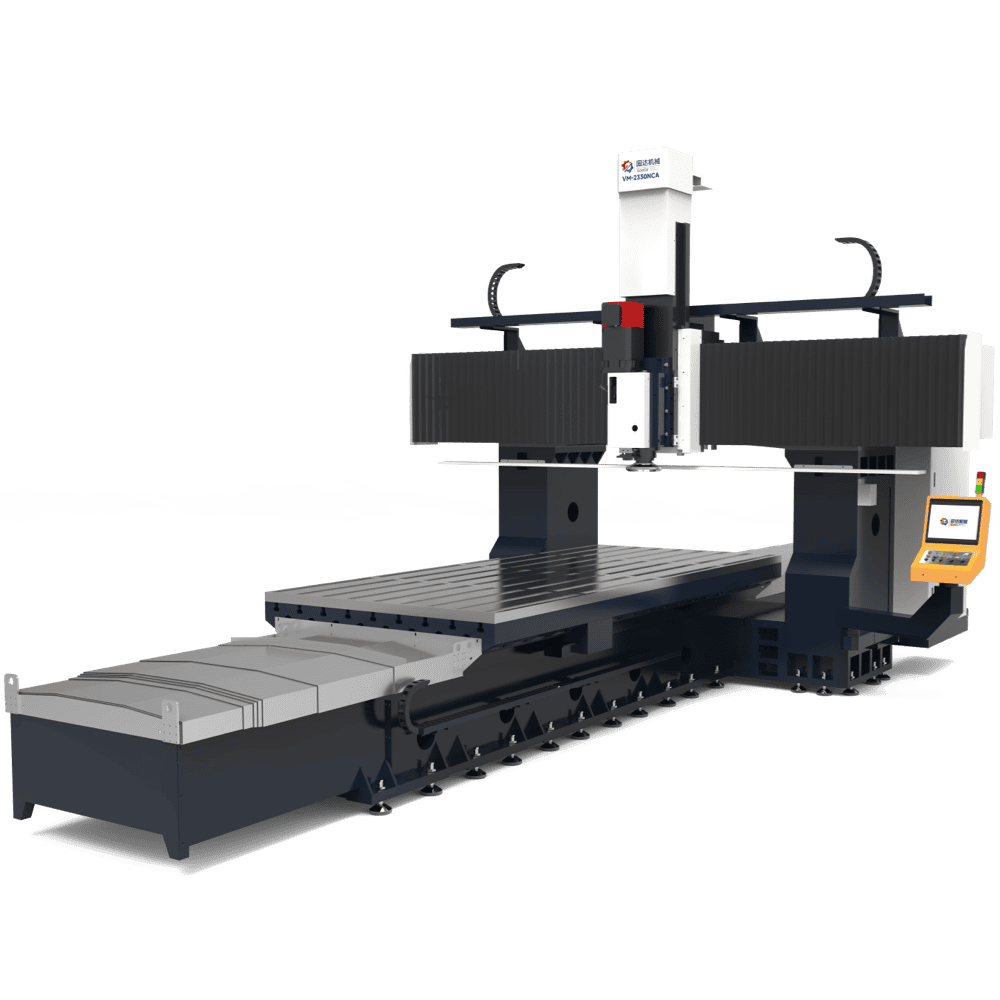
VM-2330NCA
Max. machine size(W*L) 1800*3000mm
Distance between two columns 2300mm
Max. machine height 600mm
Max. load capacity 14000KG
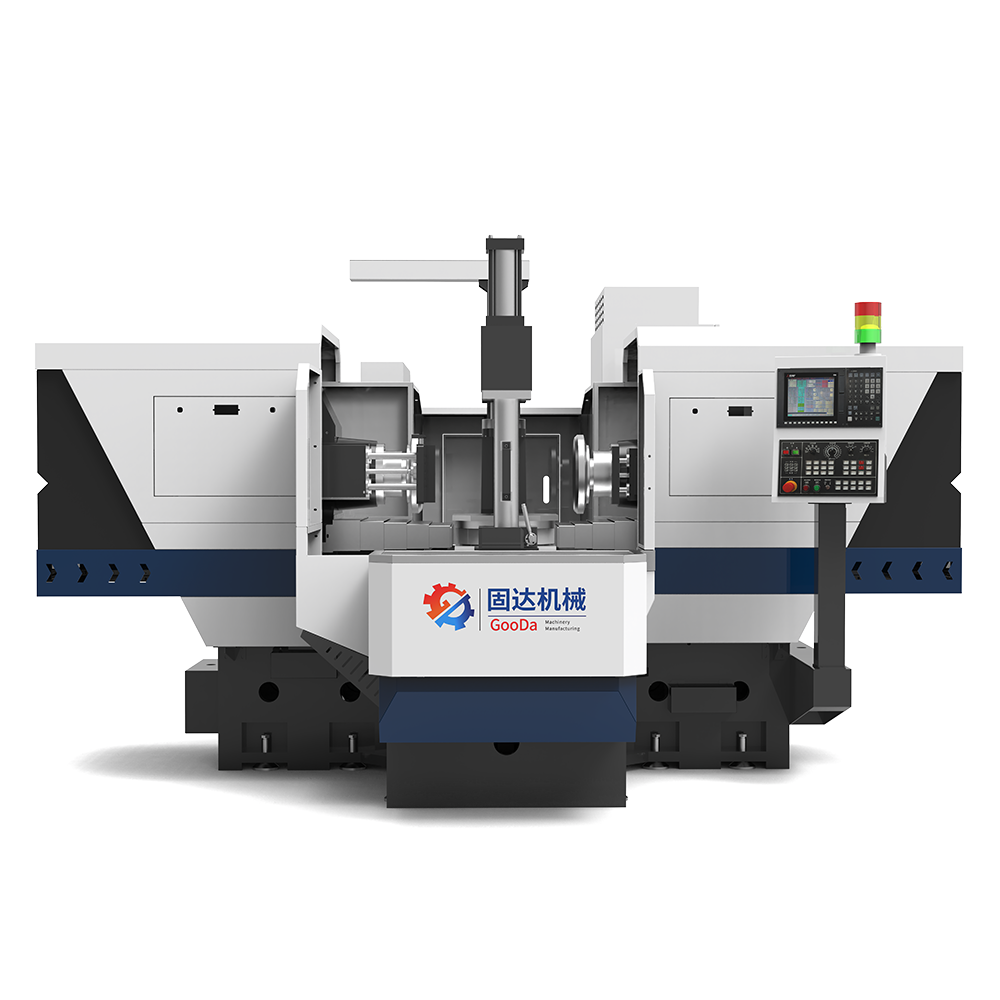
TH-600NC
Number of control axes 4
Cutting capacity 2*2mm
Cutting size 30-600mm
Max. load capacity 800KG
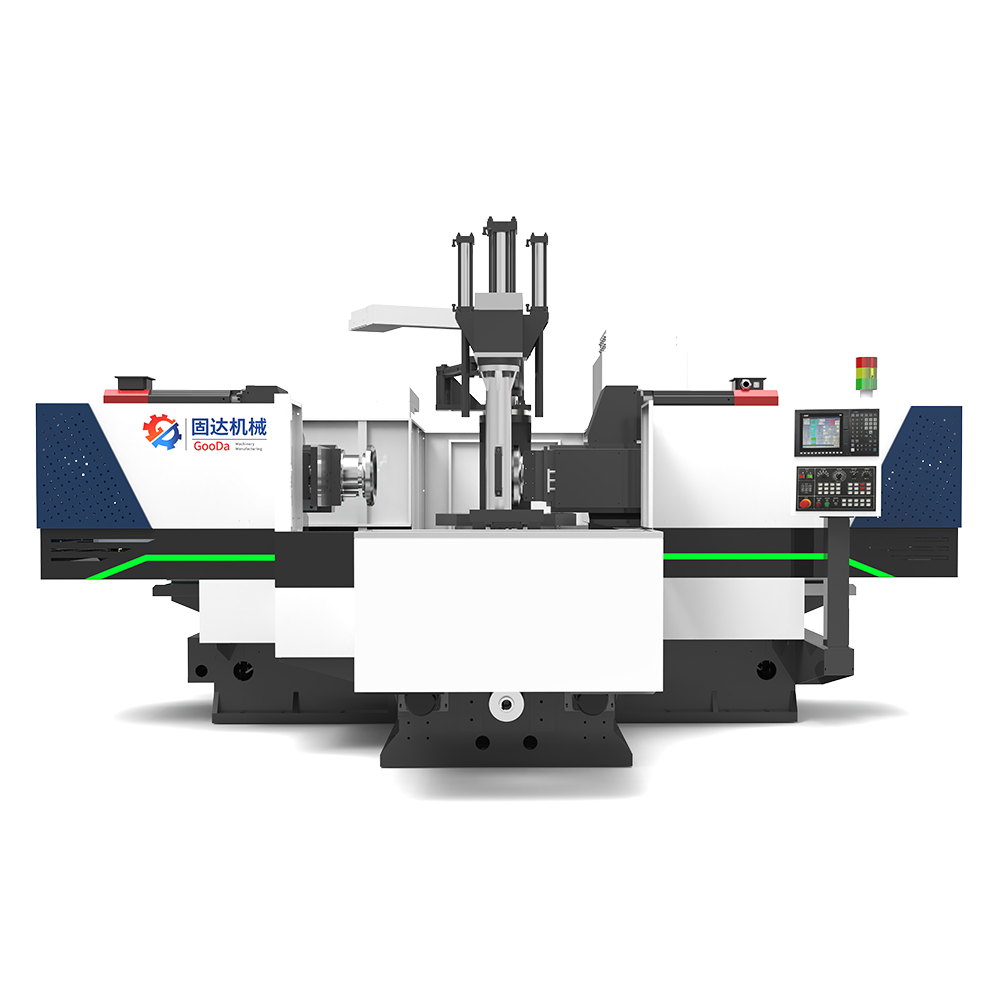
TH-850NCA
Number of control axes 4
Cutting capacity 2*3mm
Cutting size 60-850mm
Max load capacity 2000KG
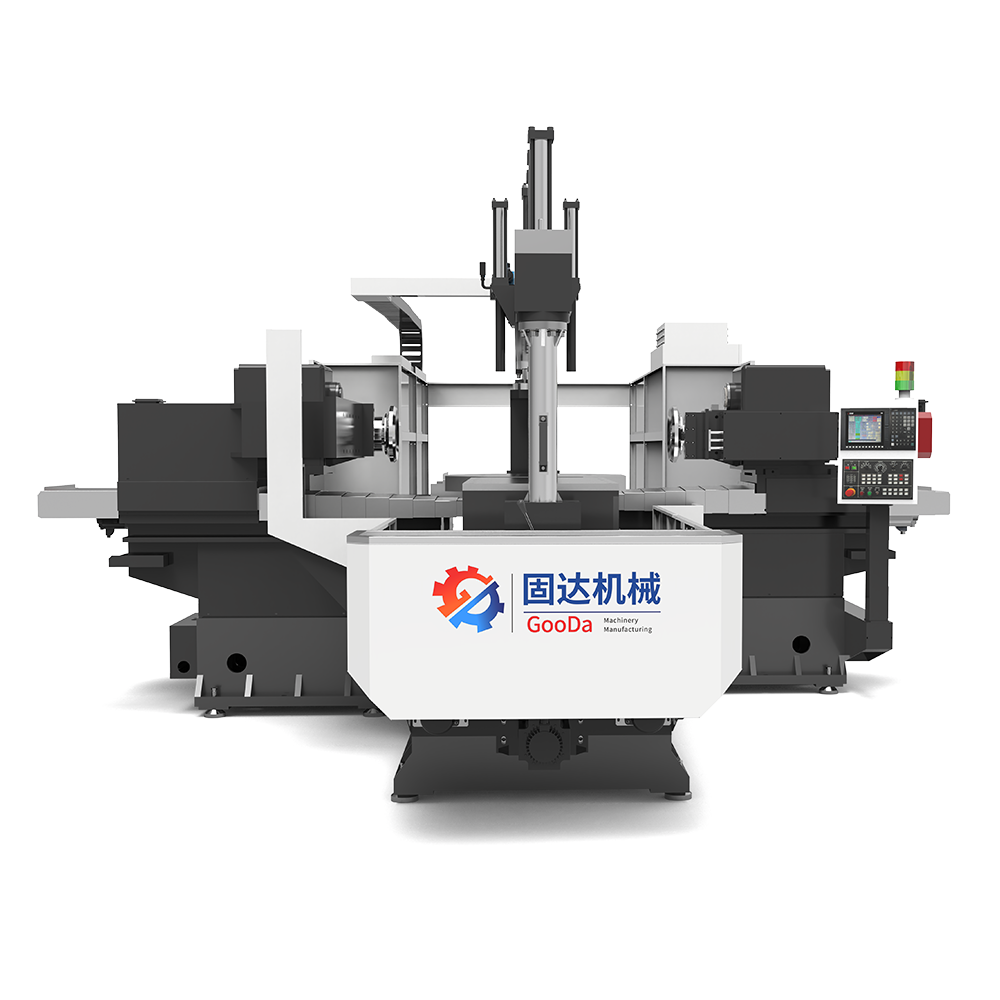
TH-1325NCA
Number of control axes 5
Cutting capacity 2*3mm
Cutting size 100-1300mm
Max load capacity 4500KG
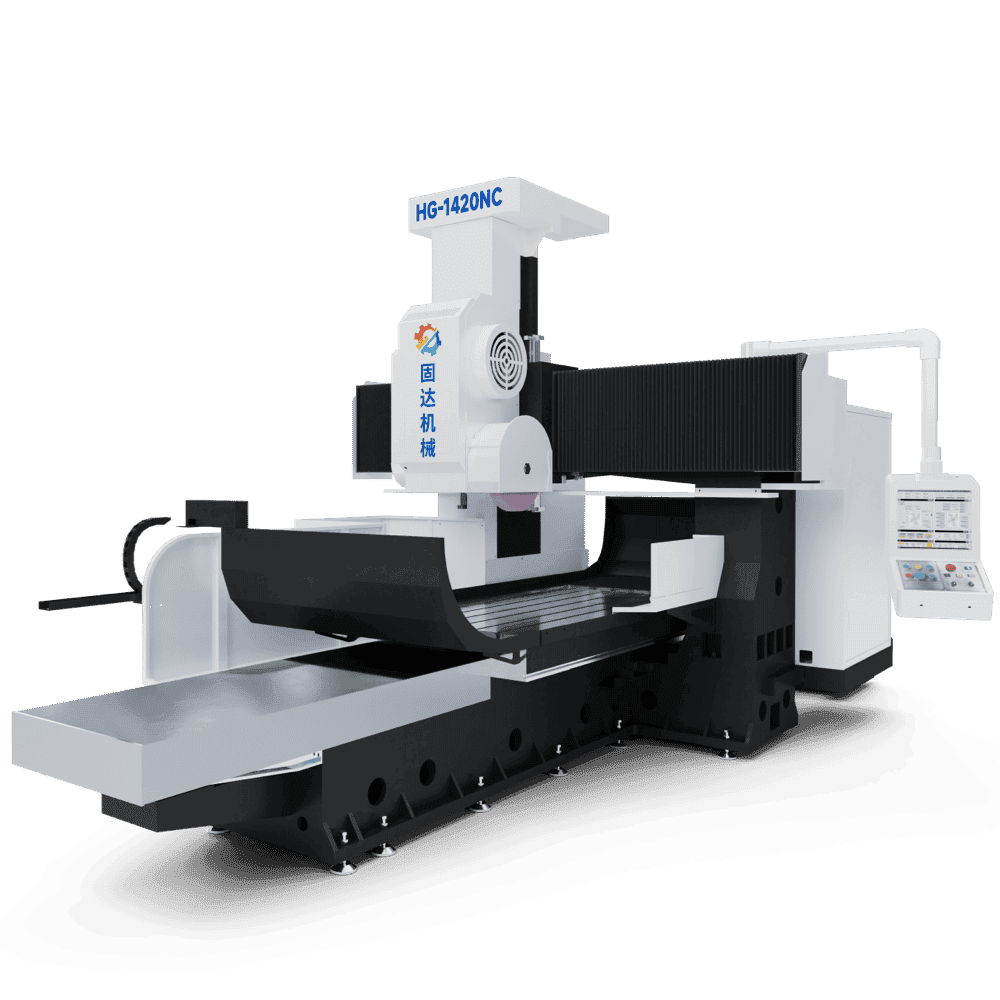
HG-1420NC
Maximum grinding length 2000mm
Maximum grinding weidth 1000mm
Maximum grinding height 450mm
Max. load capacity 3000KG
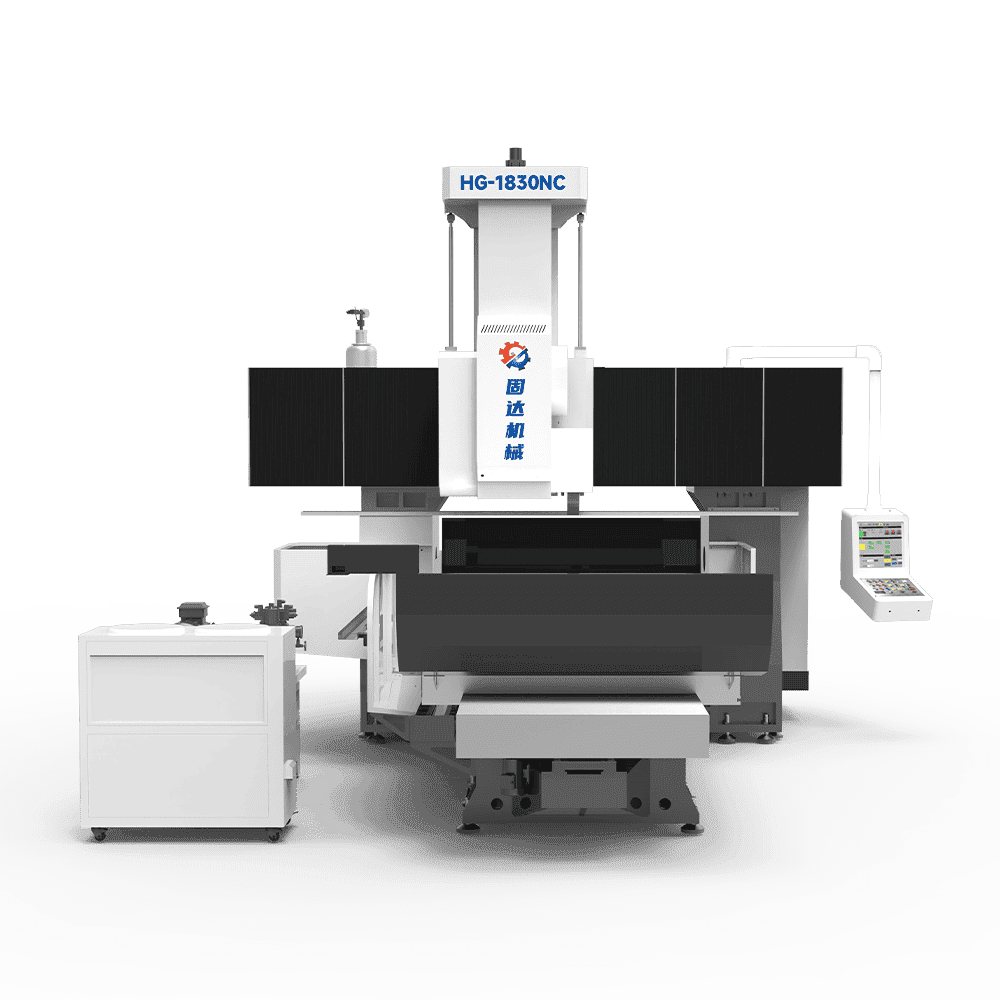
HG-1830NC
Maximum grinding length 3000mm
Maximum grinding weidth 1600mm
Maximum grinding height 600mm
Max. load capacity 10000KG
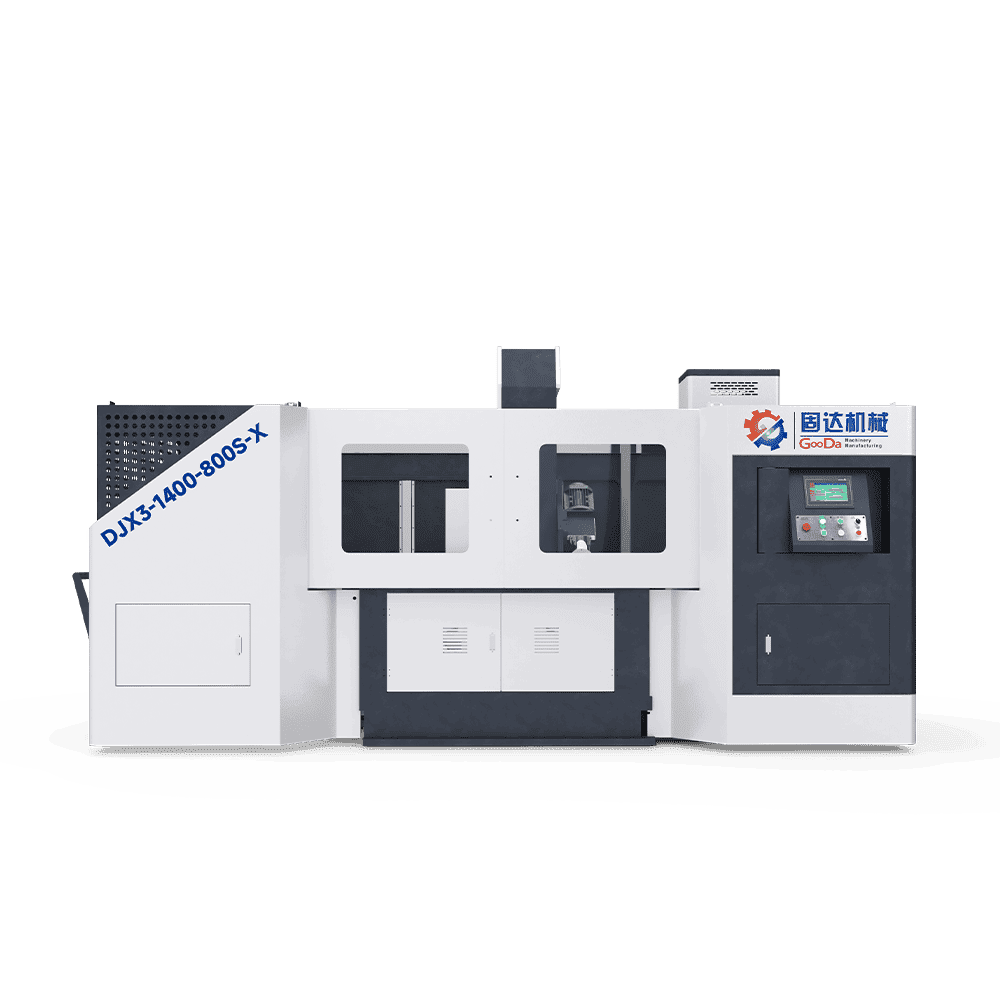
DJX3-1400-800S-X
Number of control axes 5
Maximum chamfer C4
Processing range (20-300)*(150-800)*(150-1400)
Max. load capacity 2000KG
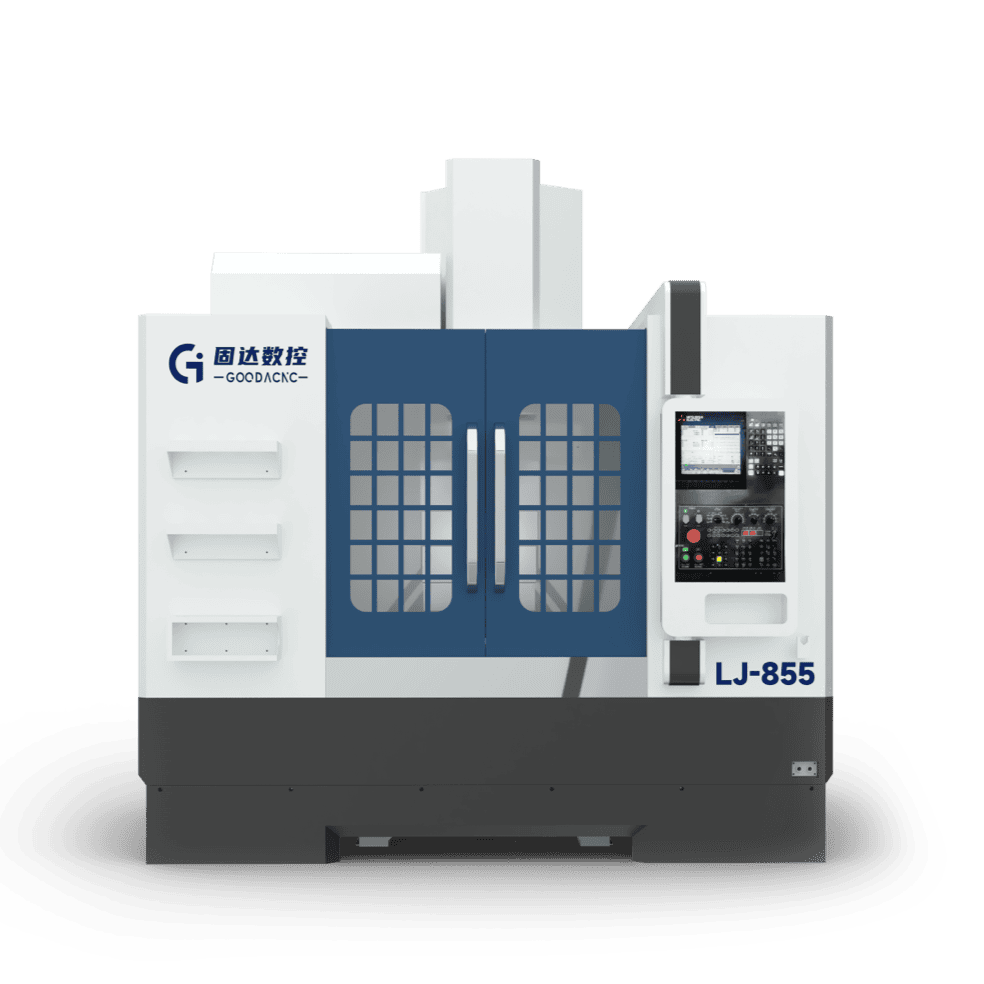
LJ-855
Max. X-axis travel 800mm
Max. Y-axis travel 500mm
Max. Z-axis travel 500mm
Max. load capacity 500KG
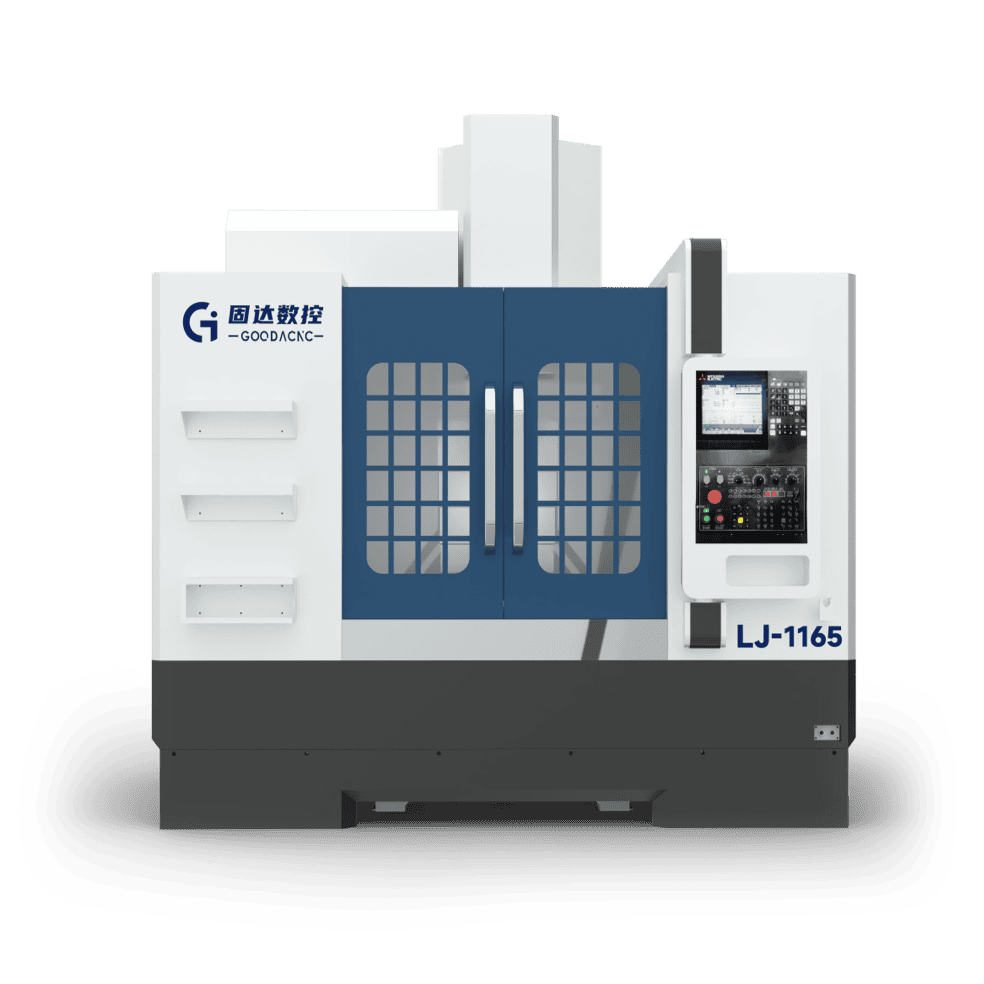
LJ-1165
Max. X-axis travel 1100mm
Max. Y-axis travel 650mm
Max. Z-axis travel 600mm
Max. load capacity 900KG

WJ-1390
Max. X-axis travel 1300mm
Max. Y-axis travel 900mm
Max. Z-axis travel 800mm
Max. load capacity 5000KG
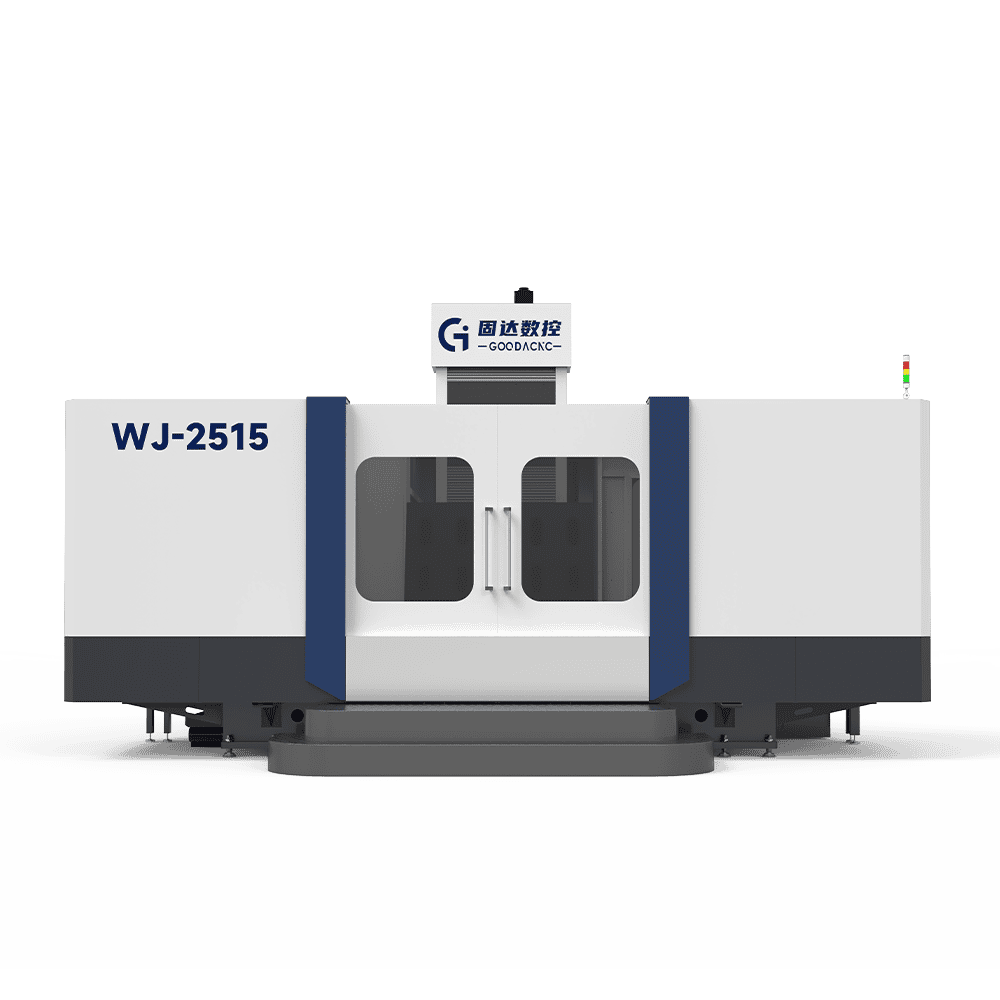
WJ-2515
Max. X-axis travel 2500mm
Max. Y-axis travel 1500mm
Max. Z-axis travel 850mm
Max. load capacity 17000KG
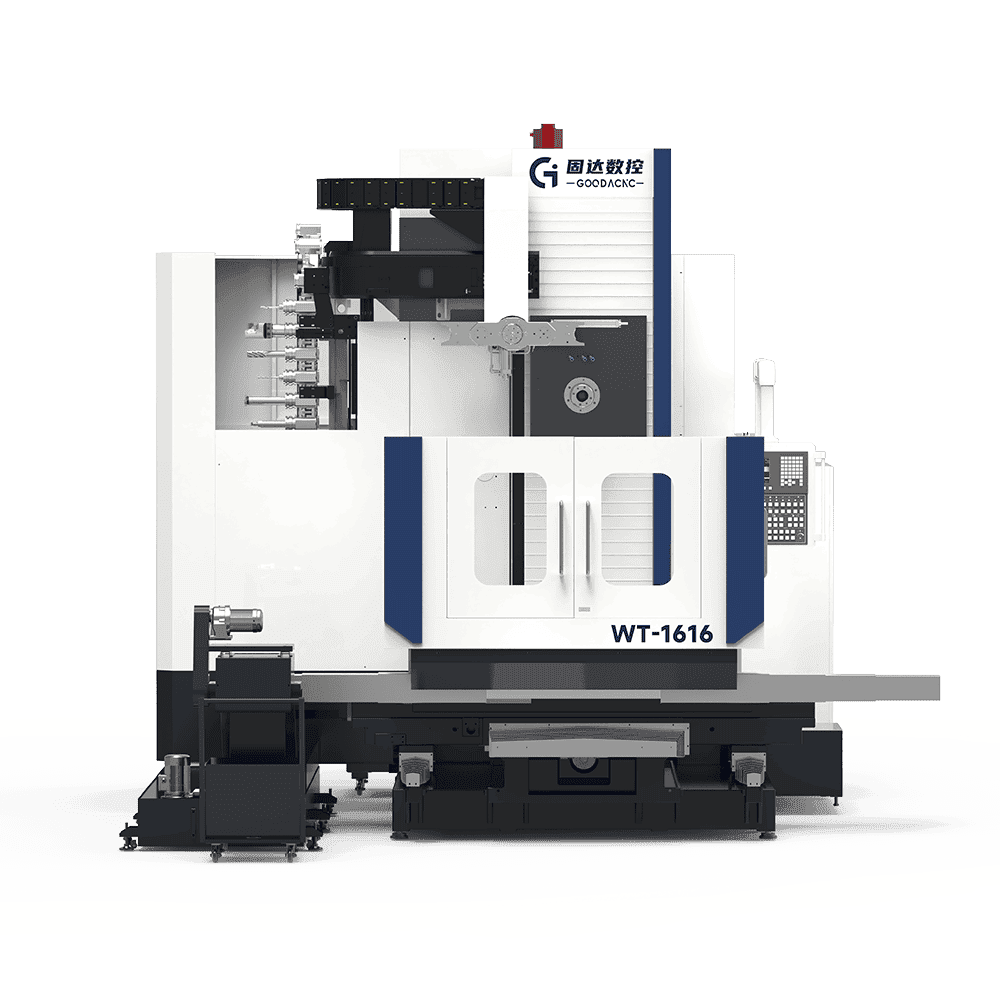
WT-1616
Max. X-axis travel 1600mm
Max. Y-axis travel 1600mm
Max. Z-axis travel 1200mm
Max. load capacity 5T
W-axis travel 550mm
Overview
5 Axis CNC Machining Center - 5 Axis CNC Machining Center
Superior Qualities
Efficient, Reliable,Energy-efficient,Your Optimal Choice.
HOW WE HELP

HOW WE HELP
We cordially invite users to contact us at your convenience. Rest assured, we are committed to furnishing customized solutions to meet your specific requirements.
Get a QuoteCNC Machines: info you may interest
-
Q: What is a CNC milling machine?
A: A CNC milling machine is a computer-controlled machine that uses a rotating cutting tool to precisely remove material from a workpiece, creating a finished part based on a digital design, with 'CNC' stands for 'Computer Numerical Control' which governs the machine's movements and cutting actions with high accuracy; essentially, it's a milling machine operated by a computer program to create complex shapes with minimal human intervention.
-
Q: What is the working principle of a CNC milling machine?
A: In a CNC milling machine, rotating cutting tools move relative to the workpiece to remove material. The cutting tool (milling tool) is fixed on a spindle that can rotate. The rotation and movement of the spindle give CNC milling machines the ability to perform three or more axes milling operations.
-
Q: What is the difference between CNC turning and milling?
A: The key difference between CNC turning and milling is that in turning, the workpiece rotates while the cutting tool stays stationary, while in milling, the workpiece remains fixed and the cutting tool moves around it, allowing for more complex shapes to be created on the workpiece with milling compared to the primarily cylindrical shapes produced by turning; essentially, the part that moves is the key distinction between the two processes.
-
Q: What is the difference between a horizontal and vertical machining center?
A: While vertical machines excel at handling tall or deep workpieces, horizontal machines provide better support for heavy parts and allow for more efficient chip evacuation during cutting operations.