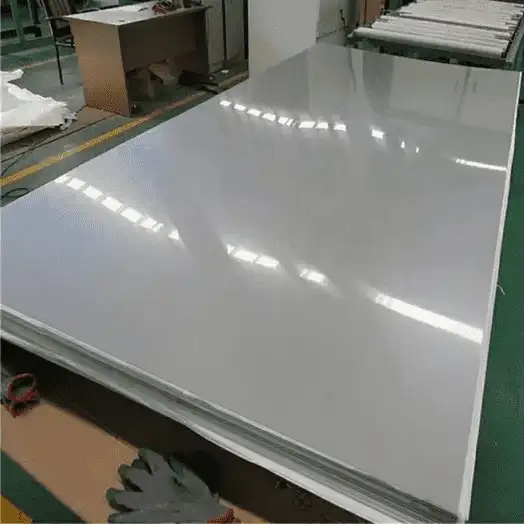
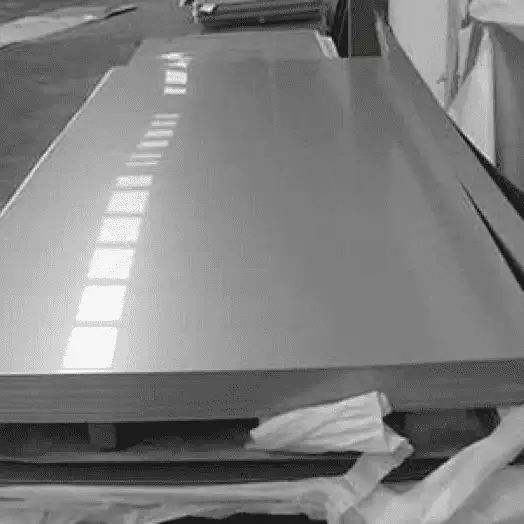
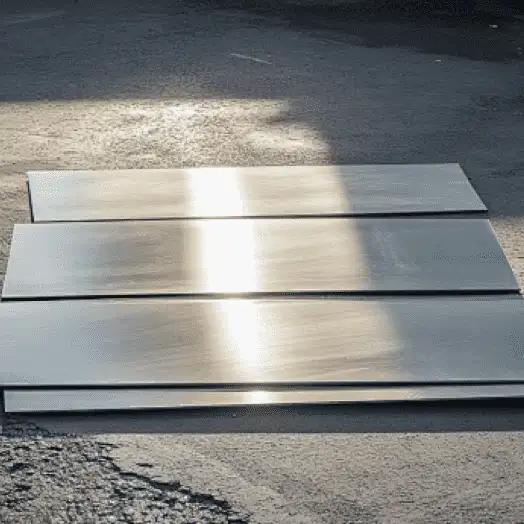
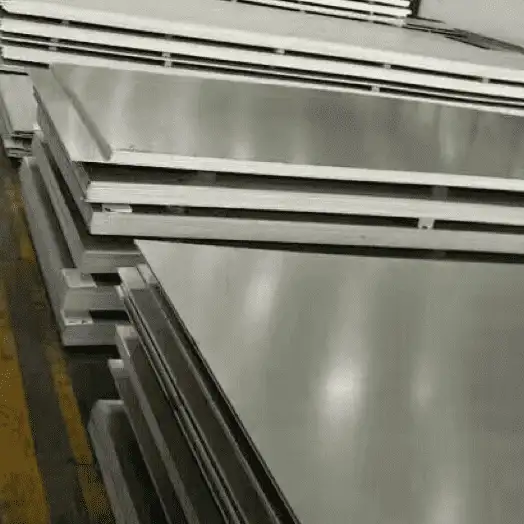
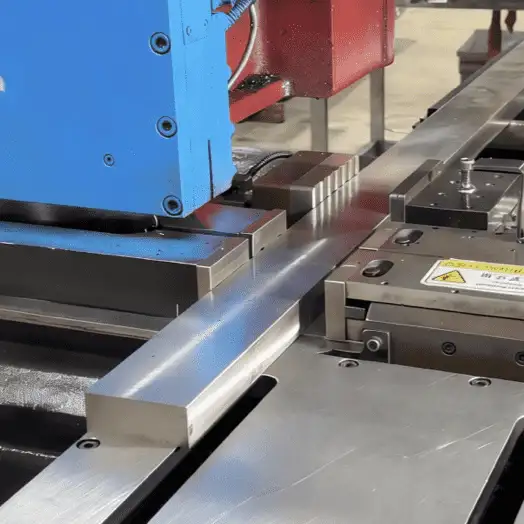
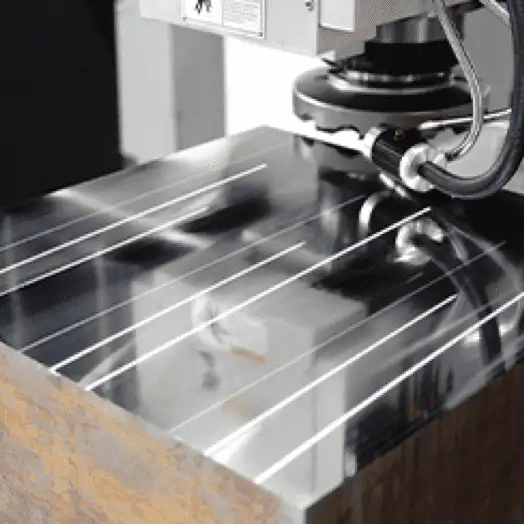
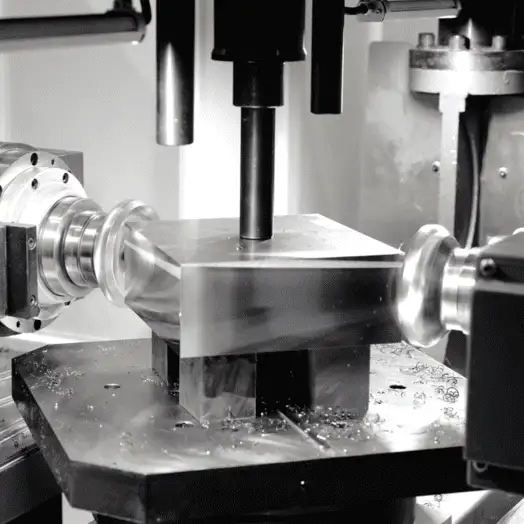
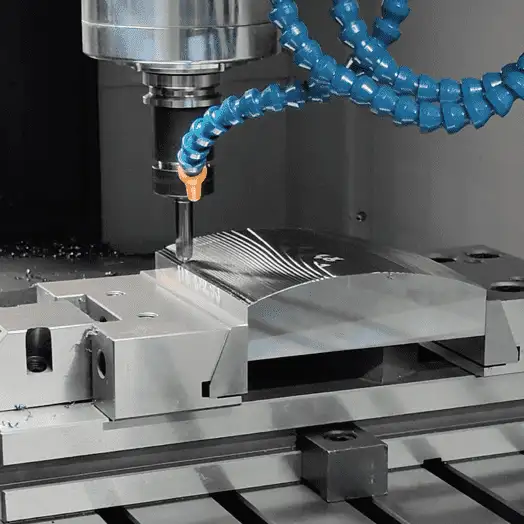
Steel for Mold Industry with Comprehensive Machining Solutions

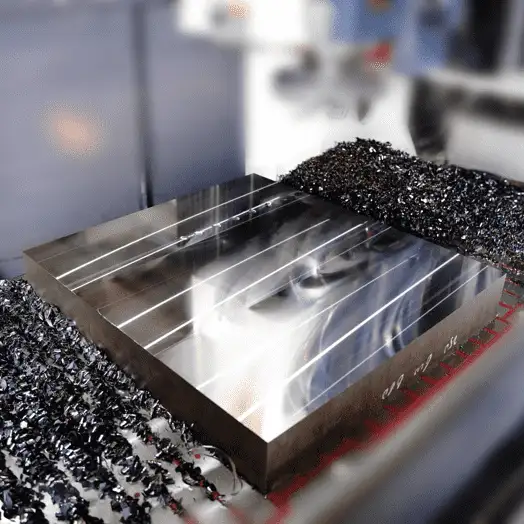
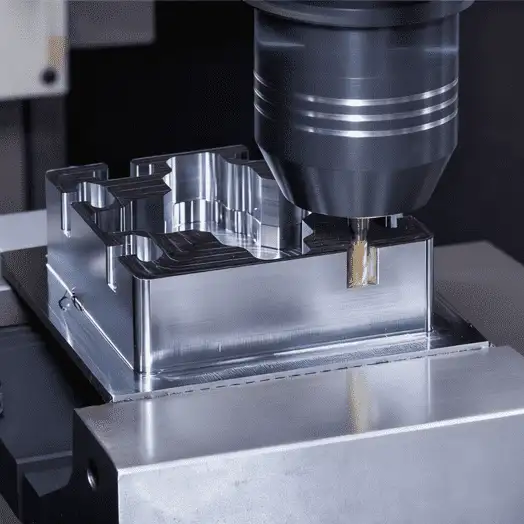
ASIATOOLS helps buyers confirm steel grade, block form, machining scope, inspection documents and quotation details before production or shipment.

Common Grades1045, P20, H13, H11, D2, 420, P20+Ni and more
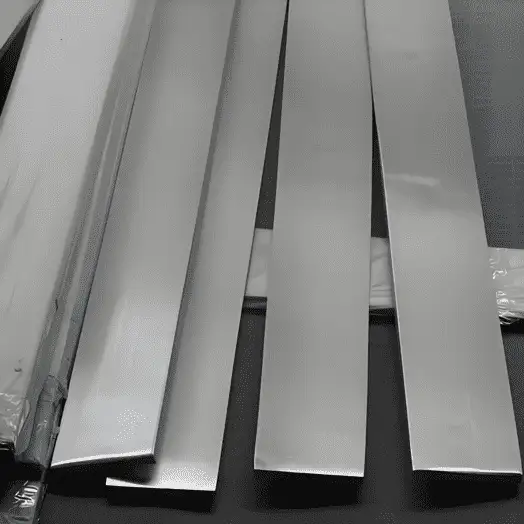
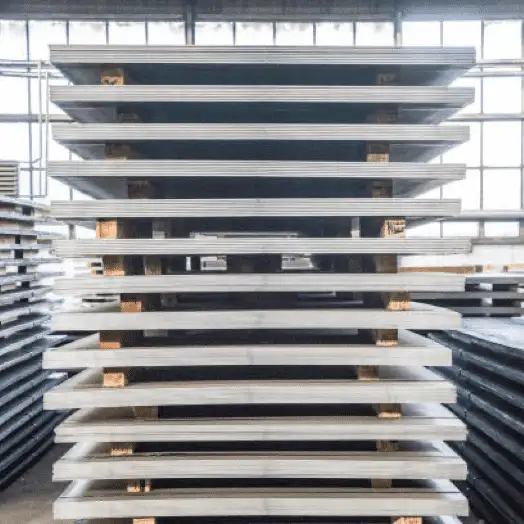
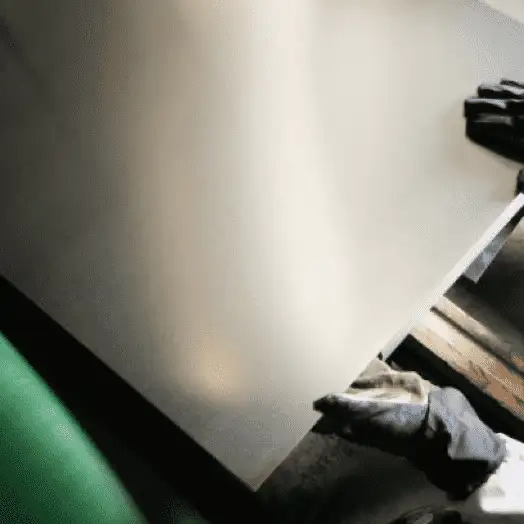
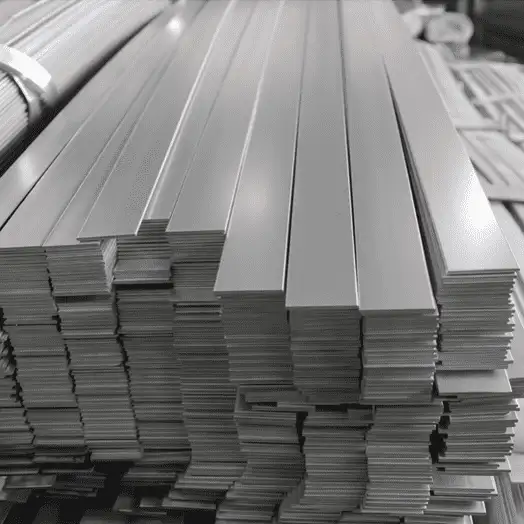
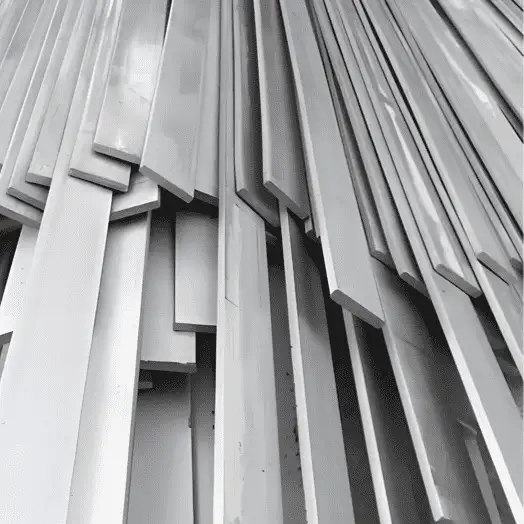
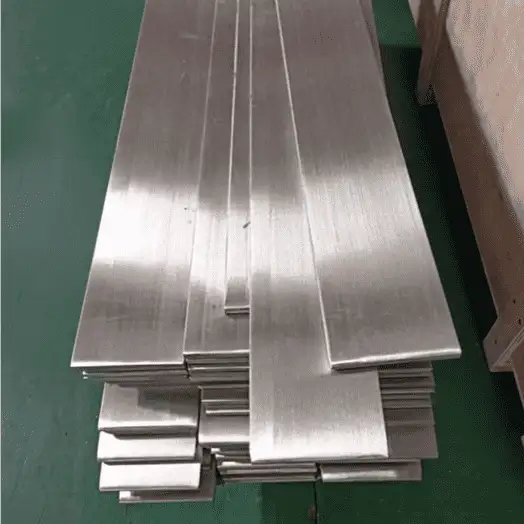
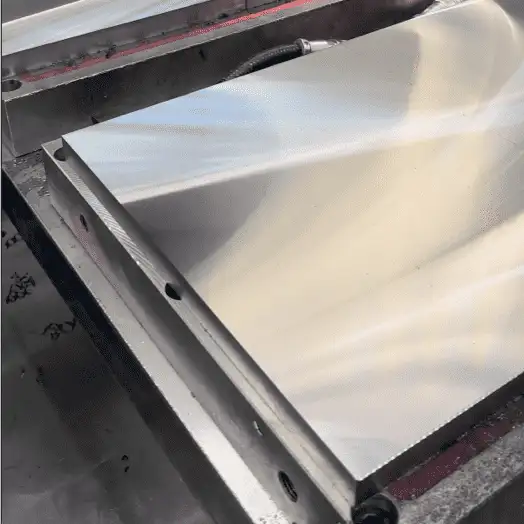
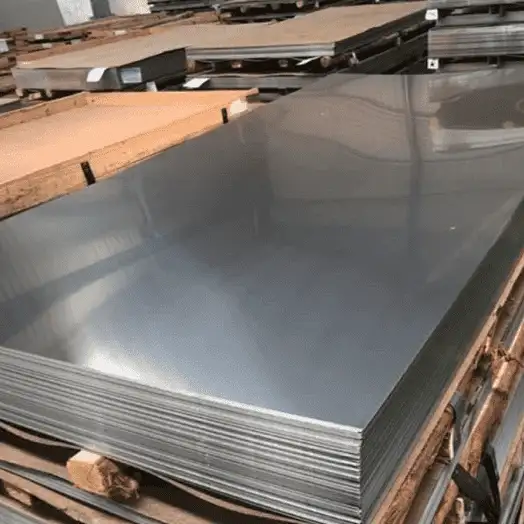
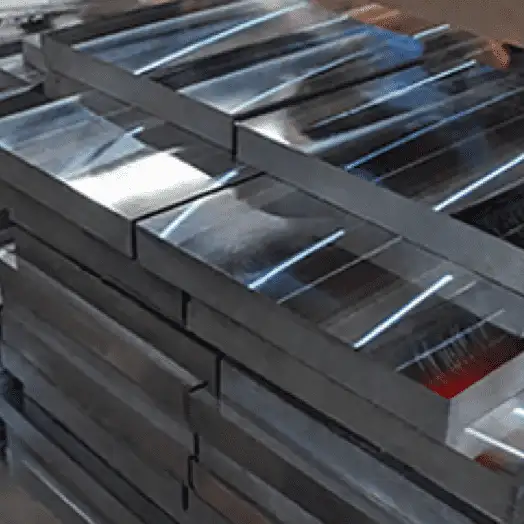
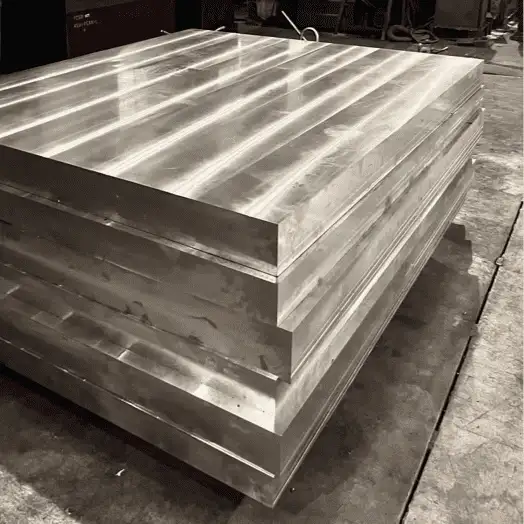
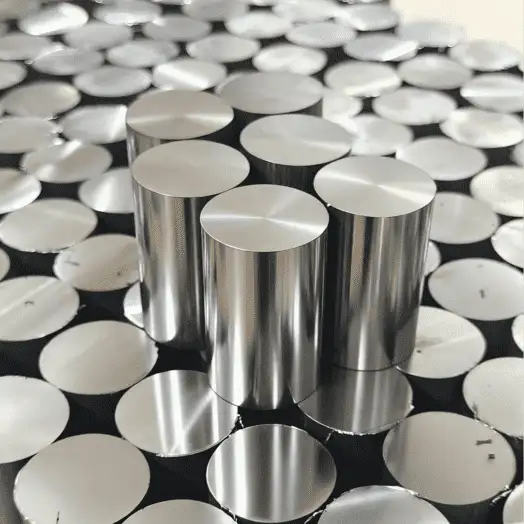
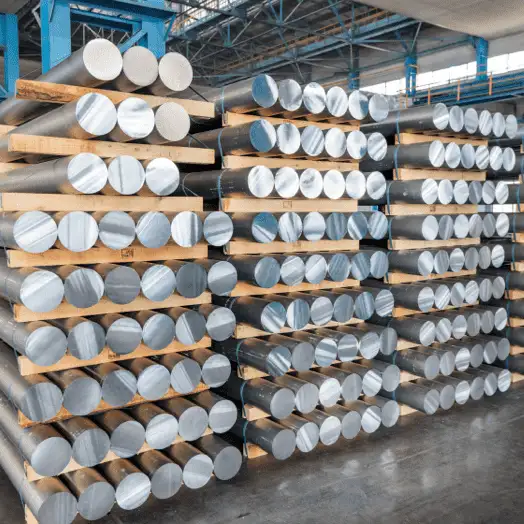
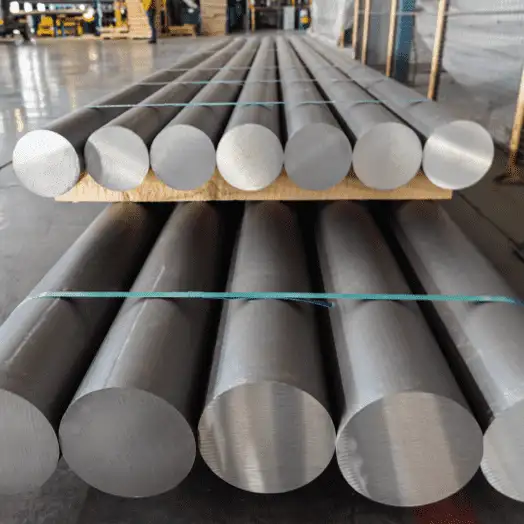
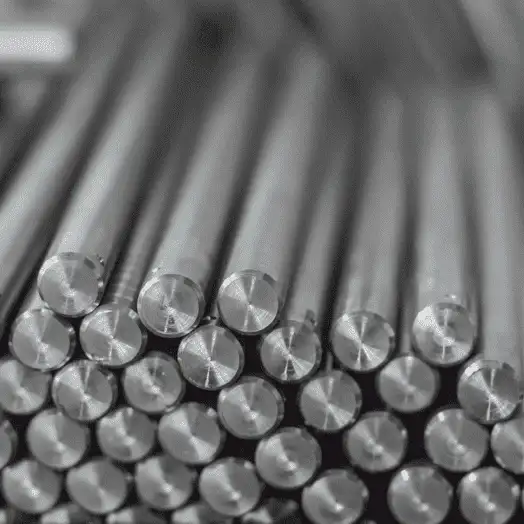
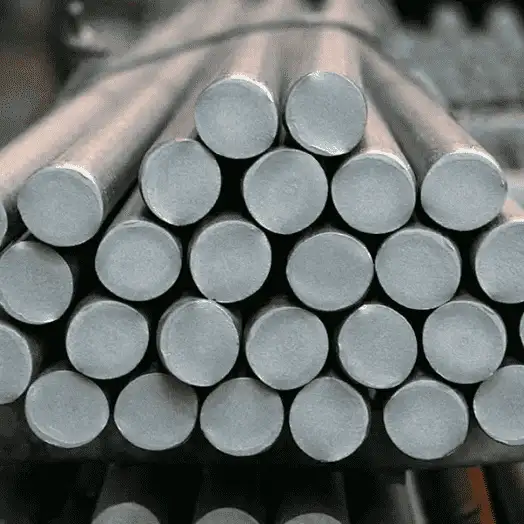
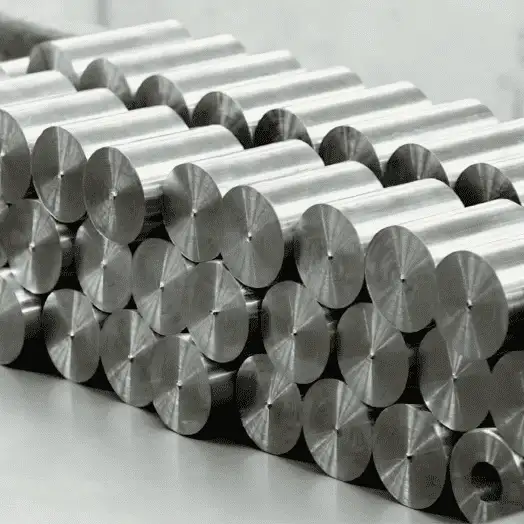
Supply FormsPlate, block, flat bar, round bar, cut-to-size blanks
Document SupportMTC, hardness check, dimensional inspection and UT when required

Steel Solutions by ASIATOOLS

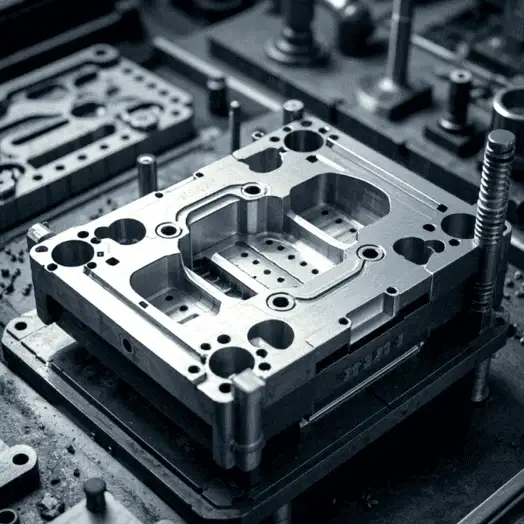
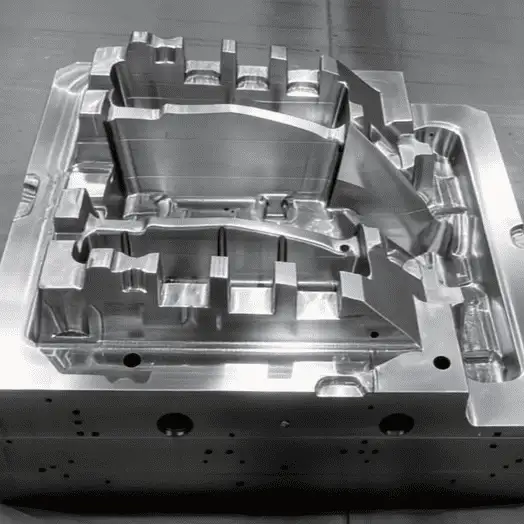
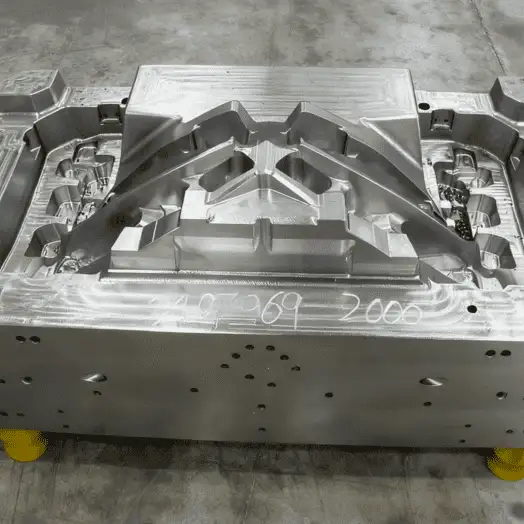
ASIATOOLS supports mold and die manufacturers with mold steel supply, cut-to-size blocks, pre-machining, inspection and export documentation. Our team reviews grade, dimensions and drawings before quotation to help reduce procurement risk.

What ASIATOOLS Can Review

Grade & formMatch common mold and tool steel grades with plate, block, flat bar, round bar or tube supply.
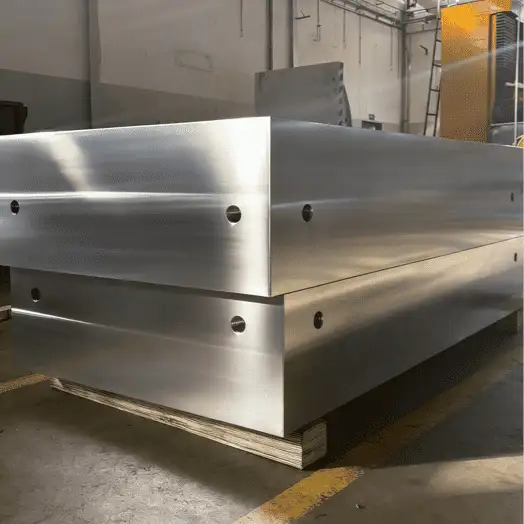
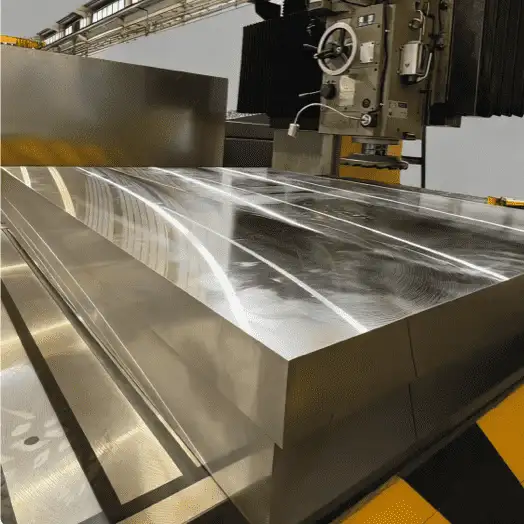
Custom dimensionsCut-to-size and pre-machined dimensions can be quoted according to drawings and stock status.
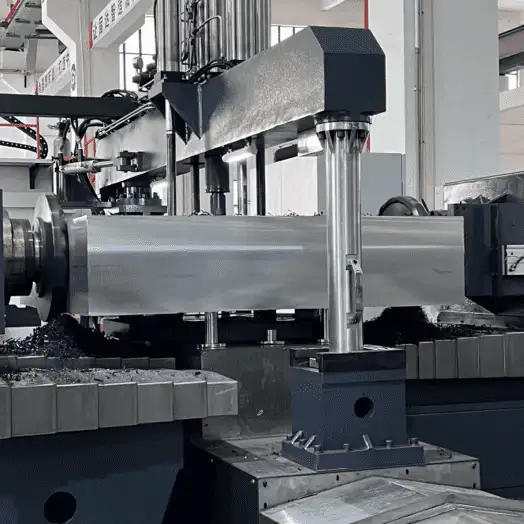
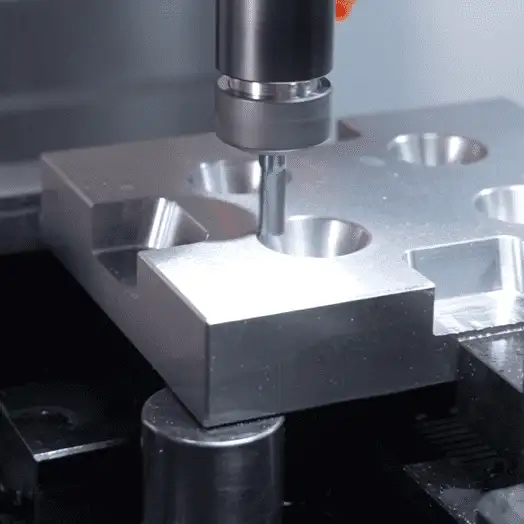
Machining scopeCutting, milling, grinding, drilling and CNC machining can be discussed with tolerance requirements.
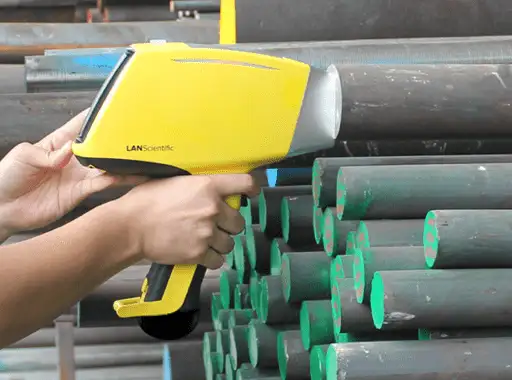
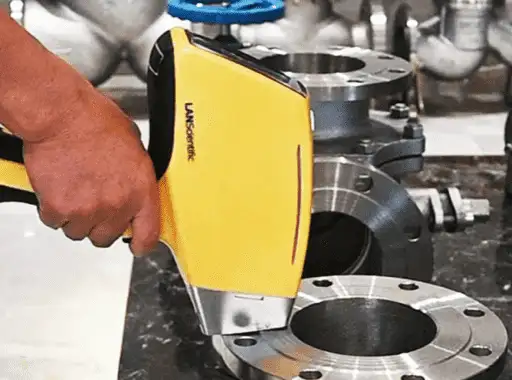
DocumentationMTC, hardness check, dimensional inspection and ultrasonic testing can be confirmed before order.

Capability Review Points

Final feasibility depends on grade, size, heat treatment condition, order quantity, stock status and required inspection documents.

  • Large size and heavy block requirements should be confirmed case by case.
  • Available length depends on grade, stock and delivery condition.
  • Applicable materials include carbon steel, mold steel, tool steel, alloy steel and stainless steel.
  • For time-sensitive orders, confirm inventory and machining lead time before payment.

Steel Supply & Machining Video

Watch a brief overview of how ASIATOOLS supports mold steel supply, steel block processing, machining review and project communication for mold and die buyers.

What the Video Helps Buyers Confirm

1

Material and form

Review steel grades, supply forms and block options before sending an inquiry.

2

Processing scope

Understand when cutting, milling, grinding, drilling or CNC machining may be included.

3

Quotation details

Prepare drawings, dimensions, tolerances and document requirements for faster review.

Furnace Capabilities at ASIATOOLS

For large steel blocks and special material requirements, capability should be confirmed according to grade, delivery condition, block size, order quantity and testing requirements.

ASIATOOLS furnace capability for mold steel and tool steel

Production and Processing Review

Please confirm grade standard, heat treatment condition, dimensions, machining allowance, inspection documents and delivery plan before ordering.

Grade / standard Heat treatment Machining allowance Inspection documents Packing plan Delivery schedule
Size ReviewLarge sections and heavy blocks should be checked case by case.
  • Finished size and rough size
  • Machining allowance
  • Flatness / parallelism needs
Length ReviewAvailable length depends on material grade, stock and production route.
  • Standard or custom length
  • Cutting method
  • Lead time and stock status
Weight ReviewHeavy blocks require separate handling, processing and shipping confirmation.
  • Lifting and packing plan
  • Container / pallet method
  • Freight route review
Material RangeCarbon steel, mold steel, tool steel, alloy steel and stainless steel.
  • Grade standard check
  • Delivery condition review
  • MTC / testing needs

Mold Steel Materials

Compare commonly requested mold and tool steel grades including C45, P20, P20+S, P20+Ni, H11, H13, 420, 420FM, L6 and D2. Selection should be based on mold type, plastic material, surface finish, wear resistance, corrosion exposure and heat-treatment requirements.

1045 | C45 | S45C | EN8

CategoryCarbon structure steel
Delivery conditionHot rolled & hot forged
Supply formRound bar, flat bar, square bar, plate, block, tube

Introduction

1045 steel is a medium-carbon steel under the AISI designation system. The “10” denotes plain carbon steel, and “45” indicates approximately 0.45% carbon content. It typically contains 0.60–0.90% Mn to enhance strength and toughness, 0.15–0.35% Si for deoxidation, and minimal P and S, which can cause cold or hot brittleness. Equivalent grades include EN/DIN C45E (1.1191), JIS S45C, and GB 45.

Chemical Composition

ChinaUSJapanGermanyHardnessCSiMnPSCrNiMoV
#451045S45C1.1730HB≤2290.42-0.480.15-0.350.60-0.90≤0.03≤0.0350.4≤0.2≤0.2-

Characteristics

  • Good weldability.
  • Good machinability.
  • High strength and impact properties.
  • Low hardenability because of the lack of suitable alloying elements.

Applications

  • Compared with AISI 1020, it has lower alloy content but can be flame or induction hardened for higher strength.
  • Widely used in industries requiring greater strength and wear resistance.
  • Typical applications include axles, bolts, connecting rods, hydraulic clamps, rams, pins, rolls, studs, shafts, spindles, sockets, and light gears.
Read more

P20 | 1.2311

CategoryPlastic mold steel
Delivery conditionHot rolled & forged
Supply formFlat bar, square bar, plate/block, round bar

Introduction

1.2311 is a pre-hardened plastic mold steel. It offers a well-balanced combination of toughness, strength, and machinability, making it one of the most widely used steels in the mold industry. With good polishability and uniform hardness across sections, it is suitable for general-purpose plastic molds and tooling.

Chemical Composition

ChinaUSJapanGermanyHardnessCSiMnPSCrNiMoV
3Cr2MoP20HPM21.2311HRC:28-360.3-0.50.2-0.41.3-1.6≤0.03≤0.031.8-2.1-0.1-0.3-

Characteristics

  • Pre-hardened plastic mold steel, typically 28–36 HRC.
  • Uniform hardness through large cross-sections due to good hardenability.
  • Good machinability in the supplied condition.
  • Good polishing and photo-etching properties.
  • Toughness and strength suitable for medium-size molds.

Applications

  • Injection molds for plastics.
  • Compression molds.
  • Blow molds.
  • Mold bases and mold cavities that do not require very high hardness.
Read more

P20+S | 1.2312

CategoryPlastic mold steel
Delivery conditionHot rolled & forged
Supply formFlat bar, square bar, plate/block, round bar

Introduction

1.2312 is a sulfur-alloyed modification of 1.2311, designed for enhanced machinability. The addition of sulfur improves cutting performance, making it ideal for machining large or complex molds with reduced tool wear and production time.

Chemical Composition

ChinaUSJapanGermanyHardnessCSiMnPSCrNiMoV
3Cr2Mo+SP20+S-1.2312HRC:28-360.35-0.450.3-0.51.4-1.6≤0.03≤0.11.8-2.1-0.15-0.25-

Characteristics

  • Similar to 1.2311 but with added sulfur, approximately 0.05–0.10%.
  • Significantly improved machinability, especially in large and complex molds.
  • Supplied pre-hardened at 28–36 HRC.
  • Slightly reduced toughness and polishability compared with 1.2311 due to sulfur inclusions.

Applications

  • Large plastic injection molds where machining efficiency is critical.
  • Mold parts that do not require mirror polishing or high-grade surface finish.
  • Automotive parts and appliance housings.
Read more

P20+Ni | 1.2738

CategoryPlastic mold steel
Delivery conditionHot rolled & forged
Supply formFlat bar, square bar, plate/block, round bar

Introduction

1.2738 is a nickel-alloyed variant of 1.2311, engineered to provide improved toughness, hardness uniformity, and excellent polishability across large cross-sections. Supplied pre-hardened in the range of 33–38 HRC, it maintains consistent mechanical properties even in thick sections. Its high surface finish capability makes it especially suitable for molds used in transparent or high-gloss plastic products.

Chemical Composition

ChinaUSJapanGermanyHardnessCSiMnPSCrNiMoV
3Cr2MnNIMoP20+NIHPM7/PX51.2738HRC:33-380.35-0.450.2-0.51.2-1.6--1.8-2.1-0.15-0.25-

Characteristics

  • Modified version of 1.2311 with added nickel, approximately 0.9–1.2%.
  • Improved toughness and hardness uniformity in large cross-sections.
  • Pre-hardened to 33–38 HRC.
  • Excellent polishability and good suitability for surface treatments such as nitriding and chrome plating.
  • Better wear resistance compared with 1.2311/1.2312.

Applications

  • Large and complex plastic injection molds.
  • Mold tools for transparent plastics requiring high surface finish, including optical parts, lenses, and light covers.
  • Automotive exterior and interior moldings.
  • Plastic molds where long tool life and high toughness are needed.
Read more

H11 | 1.2343 | SKD6

CategoryHot work tool steel
Delivery conditionHot rolled & hot forged, soft annealed to max. 220HB
Supply formRound bar, flat bar, square bar, plate

Introduction

Chromium hot-work tool steels are classified as group H (H1–H19) by AISI. H13 is the most widely used grade for hot and cold work tooling, valued for its toughness and fatigue resistance. Equivalent grades include EN/DIN 1.2344 (X40CrMoV5-1), JIS SKD61, GB 4Cr5MoSiV1, and GOST 4Х5МФ1С.

Chemical Composition

ChinaUSJapanGermanyHardnessCSiMnPSCrNiMoV
4Cr5MoSIV1H11SKDG1.2343HR≤2300.36-0.3810.4-0.55--5.0-5.15-1.2-1.30.35-0.4

Characteristics

  • Excellent toughness.
  • Good tempering resistance and through-hardening properties.
  • Good performance under temperature changes and thermal stress fatigue.
  • Good high-temperature strength and resistance to thermal shock and thermal fatigue.
  • Excellent polishing performance of 12000# or above.
  • Good dimensional stability during heat treatment and surface treatment.

Applications

  • Aluminum-zinc die-casting dies and light alloy pressure casting dies.
  • Aluminum alloy and copper alloy extrusion dies, and long-life hot forging dies.
  • Plastic hard molds with higher finish requirements such as car lamp molds, glass-fiber-filled plastic molds, calcium-powder-filled plastic molds, and bakelite molds.
  • Plastic hard molds with complex ribs, high toughness requirements, and large complex deep cavity molds.
Read more

H13 | 1.2344 | SKD61

CategoryHot work tool steel
Delivery conditionHot rolled & hot forged, soft annealed to max. 229HB
Supply formRound bar, flat bar

Introduction

Chromium hot-work tool steels are classified as group H steels by the AISI classification system. This series of steels starts from H1 to H19. H11 tool steel equivalent material includes European EN, ISO, German DIN 1.2343/X37CrMoV5-1, Japanese JIS standard SKD 6, Chinese GB 4Cr5MoSiV, and Russia GOST 4Х5МФС.

Chemical Composition

ChinaUSJapanGermanyHardnessCSiMnPSCrNiMoV
4Cr5MoSIV1H13SKD61/DHA11.2344HR≤2300.32-0.450.8-1.20.2-0.4-≤0.034.7-5.5-1.1-1.50.8-1.2

Characteristics

  • Good resistance to abrasion at both low and high temperatures.
  • High level of toughness and ductility.
  • Good machinability and polishability.
  • Good high-temperature strength and resistance to thermal fatigue.
  • Excellent through-hardening properties.
  • Very limited distortion during hardening.

Applications

  • Plastic moulding: injection moulds and compression/transfer moulds.
  • Extrusion: backers, die holders, liners, dummy blocks, and stems.
  • Die casting: fixed inserts, cores, sprue parts, nozzles, ejector pins (nitrided), and plungers.
  • Forming dies, die inserts, and tools for manufacturing screws, nuts, rivets, and bolts.
Read more

420 | 1.2083

CategoryStainless steel
Delivery conditionHot rolled & forged
Supply formFlat bar, square bar, plate/block, round bar

Introduction

1.2083 is a martensitic stainless tool steel with high chromium content, approximately 13%, giving it excellent corrosion resistance, high wear resistance, and good polishability. It is typically supplied in the quenched and tempered condition with hardness ranging from 48–52 HRC. Its ability to maintain a high surface finish and resist attack from chemically aggressive plastics makes it a suitable option for mold applications that require corrosion resistance and high surface finish.

Chemical Composition

ChinaUSJapanGermanyHardnessCSiMnPSCrNiMoV
4Cr13ESR420ESRS-STAR-A1.2083ESRHB≤2400.36-0.45≤0.8≤0.8≤0.03≤0.00312-14-≤0.3≤0.3

Characteristics

  • Stainless tool steel with approximately 13% Cr.
  • Excellent corrosion resistance.
  • High wear resistance.
  • Good polishability, with mirror finish possible.
  • Supplied quenched and tempered, hardness approximately 48–52 HRC.
  • Resistant to aggressive plastics such as PVC, acetates, and flame-retardant materials.

Applications

  • Molds for corrosive plastics such as PVC, acetates, and plastics with flame retardants.
  • Molds requiring high surface finish, including optical lenses, medical tools, and packaging.
  • Plastic molds exposed to humid environments or corrosive cooling channels.
  • Components requiring high polishability and wear resistance.
Read more

420FM | 1.2085

CategoryStainless steel
Delivery conditionHot rolled & forged
Supply formFlat bar, square bar, plate/block, round bar

Introduction

1.2085 is a stainless mold steel similar to 1.2083 but with sulfur added, approximately 0.05–0.10%, which significantly improves machinability. It maintains good corrosion resistance and reasonable hardness, typically 30–36 HRC in pre-hardened condition. While it does not reach the same polishability level as 1.2083 due to sulfur inclusions, it is a cost-effective solution for medium-grade stainless mold applications where machining speed and corrosion resistance are both required.

Chemical Composition

ChinaUSJapanGermanyHardnessCSiMnPSCrNiMoV
3Cr16NIMoVS420+SROYALLOY1.2085HRC:30-360.380.30.8--15---

Characteristics

  • Pre-hardened stainless mold steel, approximately 30–36 HRC.
  • Good corrosion resistance.
  • Sulfur alloyed for excellent machinability.
  • Moderate polishability, not as high as 1.2083.

Applications

  • Medium-quality plastic injection molds exposed to corrosive environments.
  • Mold parts where machining efficiency is important.
  • Components in the packaging and household appliance industries.
  • General molds with moderate polish requirements.
Read more

L6 | 1.2714 | SKT4

CategoryHot work tool steel
Delivery conditionHot rolled & hot forged, soft annealed to max. 220HB
Supply formRound bar, flat bar, square bar, plate

Introduction

L6 steel is widely used in fields such as tool manufacturing. Its main alloying elements include chromium (Cr), nickel (Ni), molybdenum (Mo), and other elements. These alloying elements give L6 steel unique properties. L6 tool steel equivalent materials include European EN, ISO, German DIN 1.2714/55NiCrMoV7, Japanese JIS standard SKT4, Chinese GB 5CrNiMo, and Russia GOST 5ХНМ.

Chemical Composition

ChinaUSJapanGermanyHardnessCSiMnPSCrNiMoV
5CrNiMOL6SKTT41.2714-0.5-0.60.1-0.40.6-0.9≤0.03≤0.030.8-1.20.8-1.20.35-0.550.05-0.15

Characteristics

  • Hot work steel that can be used for a wide range of applications.
  • Good through hardenability, tempering resistance, toughness, pressure resistance, and heat resistance.

Applications

  • Forging and swaging with very large dimensions, hot forming tools, hot shear blades, extrusion tools, punches, tools for forging machines, tool holders, and die holders.
Read more

D2 | 1.2379 | SKD11

CategoryCold work tool steel
Delivery conditionHot rolled & hot forged, annealed to max. 255HB
Supply formRound bar, flat bar, sheet

Introduction

AISI D2 steel is a high-carbon, high-chromium, tungsten-containing cold work tool steel. Its main alloying elements include carbon, silicon, manganese, chromium, and tungsten, while phosphorus and sulfur contents are each limited to a maximum of 0.03%. Equivalent grades of D2 cold work tool steel include European/ISO 1.2601 (X165CrMoV12), 1.2379 (X153CrMoV12), Japanese JIS SKD11, and Chinese GB Cr12MoV / Cr12Mo1V1.

Chemical Composition

ChinaUSJapanGermanyHardnessCSiMnPSCrNiMoV
Cr12MovD2SKD111.2379-1.4-1.60.1-0.60.1-0.6≤0.03≤0.0311.0-13.0-0.7-1.20.5-1.1

Characteristics

  • High-carbon, high-chromium steel designed for high-performance cutting tools.
  • Offers better toughness than D3.
  • Nitridable.
  • Particularly suitable for air hardening.
  • Dimensionally stable.
  • High-carbon, high-chromium cold work tool steel.
  • Smelted by EAF+LF+VD or EAF+LF+VD+ESR.
  • UT as per SEP 1921-84 D/d level, ESR material E/e level.
  • Nitridable, high-alloy steel for through-hardening with moderate machinability.
  • Good tensile strength and wear resistance.
  • Good machinability and hardenability.
  • Better toughness than Cr12MoV.
  • Better size stability.

Applications

  • High-duty cutting tools, dies and punches, blanking and punching tools, and woodworking tools.
  • Shear blades for cutting light-gauge materials, thread rolling tools, tools for drawing, deep drawing and cold extrusion, and pressing tools for ceramics and pharmaceutical industries.
  • Cold rolls for multi-roll stands, measuring instruments, and gauges.
  • Petrochemical and refinery equipment operating under high pressure and temperature.
  • Small molds for the plastics industry where excellent wear resistance is required.
Read more


Mold Steel Selection Guide

ASIATOOLS reviews steel grade, size, delivery condition, order quantity and documentation needs before quotation. Large blocks, special lengths, heat treatment condition and heavy-weight shipments should be confirmed case by case.

Application NeedCommon Grade OptionsWhy It May Be ConsideredInformation to Confirm
General plastic injection moldsP20 / 1.2311Balanced pre-hardened mold steel for machining, toughness and general mold use.Mold size, hardness range, polishing requirement and delivery condition.
Large plastic molds1.2738 / P20+NiOften considered when improved toughness and section uniformity are required.Block thickness, heat treatment, polishing requirement and stock availability.
Hot work tooling and die castingH13 / 1.2344, H11 / 1.2343Used for heat, thermal fatigue and hot working conditions.Working temperature, alloy contact, hardness target and inspection standard.
Corrosion-resistant plastic molds1.2083, 1.2085Considered for corrosive plastics or humid mold environments.Plastic type, polish grade, sulfur concern, heat treatment and certificate needs.
Wear-resistant cold work toolingD2 / 1.2379Common where wear resistance and dimensional stability matter.Wear condition, toughness requirement, heat treatment and machining allowance.
Mechanical components1045 / C45Used for shafts, pins, fixtures and structural components.Strength requirement, machining process, surface hardening and final application.

Steel Type We can Offer

Why Buyers Work with ASIATOOLS

Steel procurement for mold and die projects requires more than a grade name. ASIATOOLS helps buyers confirm stock, machining feasibility, inspection scope, lead time and export document requirements before order release.
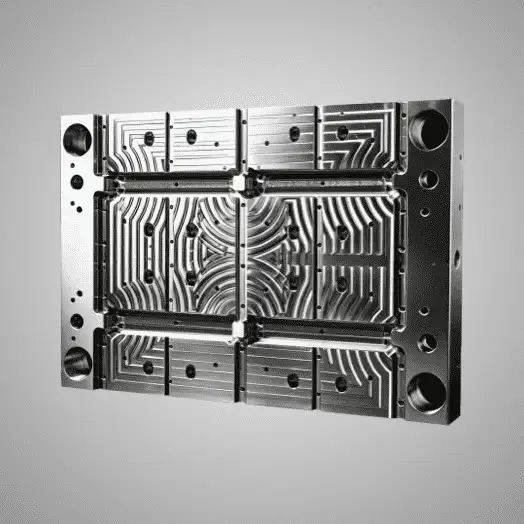
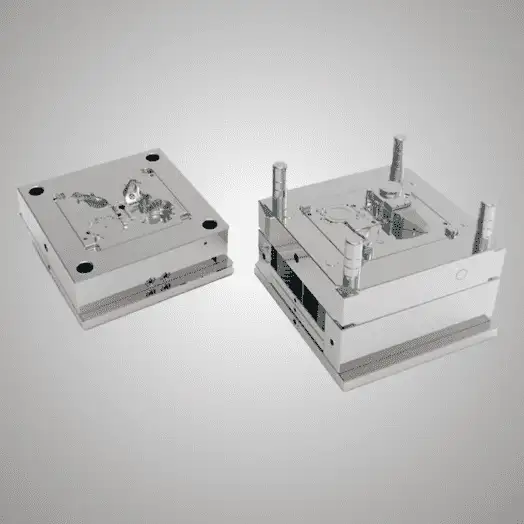
Inventory and stock review Inventory and Stock Review
Machining support Machining Support
Custom dimension review Custom Dimension Review
Lead time confirmation Lead Time Confirmation
Finished product inspection Finished Product Inspection
Project communication experience Project Communication Experience

Typical Application Fields

ASIATOOLS mold steel and machining support can be used for plastic molding, hot work tooling, cold work tooling and general mechanical components. Final grade selection should be confirmed by working condition, surface finish, corrosion exposure, wear requirement and heat-treatment plan.

01

Plastic Injection Molding

For mold bases, cavities, inserts and high-gloss plastic parts where machinability, polishability and dimensional stability are important.
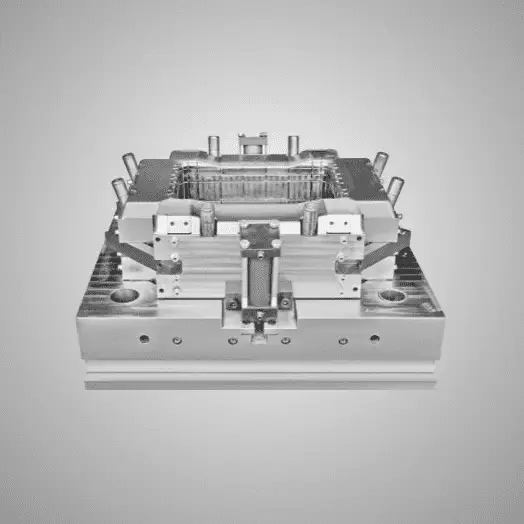
P20 / 1.2311 · 1.2738 · 1.2083
02

Hot Work & Die Casting

For aluminum or zinc die casting, hot forming and extrusion tooling where heat resistance and thermal fatigue performance matter.

H13 / 1.2344 · H11 / 1.2343
03

Cold Work Tooling

For blanking, punching, stamping, industrial knives and wear-resistant tools that require hardness and dimensional stability.

D2 / 1.2379 · L6 / 1.2714
04

Mechanical Engineering

For shafts, pins, fixtures, frames and structural components where practical strength, machinability and availability are key factors.

1045 / C45 · 1.2085

Traceability, Testing and Order Review

To support reliable mold steel purchasing, ASIATOOLS confirms material traceability, inspection scope, drawing requirements and shipping documents before production or shipment when these items are requested in the order.

Inspection Items Buyers Can Confirm

01 · MTC Review

Mill Test Certificate support can be requested for grade, heat number, chemical composition and delivery condition review.

02 · Hardness Check

Hardness information can be checked against the agreed grade, supply condition and quotation requirements.

03 · Dimensional Check

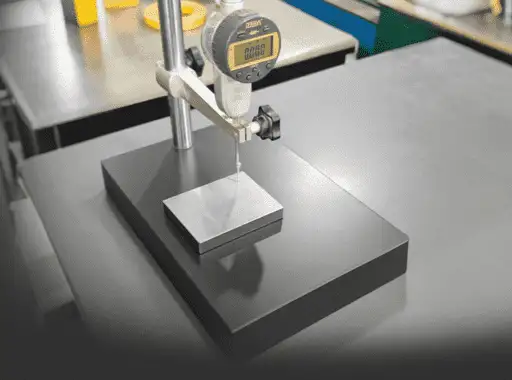
Finished size, rough size, machining allowance and tolerance should be stated clearly on drawings or purchase orders.

04 · UT Option

Ultrasonic testing can be arranged when the inspection standard and acceptance level are confirmed before order.

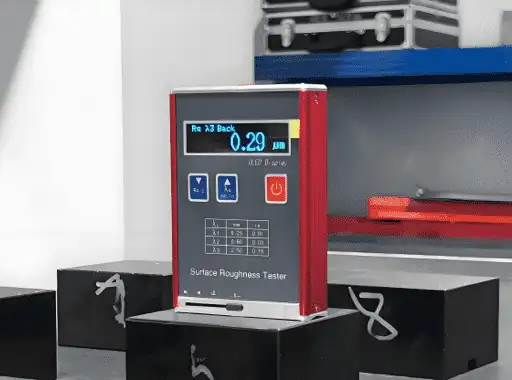
Steel hardness and quality testing equipment Steel inspection equipment for mold steel Material testing equipment for tool steel Quality inspection support for steel blocks

Get A Free Quote

If you are interested in our services, please fill out the form below, we will get in touch as soon as possible

Common Questions & Insights

The steel page lists common grades including 1045 / C45, 1.2311 / P20, 1.2312 / P20+S, 1.2738 / P20+Ni, 1.2343 / H11, 1.2344 / H13, 1.2083, 1.2085, 1.2714 / L6 and 1.2379 / D2. Final availability should be confirmed by grade, size, delivery condition and current stock.
P20 / 1.2311 is commonly used for general plastic molds, H13 / 1.2344 for hot work and die-casting applications, D2 / 1.2379 for wear-resistant cold work tooling, and 1.2083 or 1.2085 when corrosion resistance is important. The final choice should be checked against mold size, plastic material, working temperature, finish requirement and heat treatment plan.
Cut-to-size and pre-machined steel blocks can be quoted when you provide the material grade, target dimensions, quantity and tolerance requirements. For tighter tolerances or six-side machining, drawings are recommended.
Machining can be discussed as part of the quotation. The scope may vary by order size, machining complexity, tolerance requirement and commercial terms, so please specify cutting, milling, grinding, drilling or CNC machining needs during inquiry.
Please provide grade or equivalent standard, dimensions, quantity, delivery condition, machining requirements, tolerance requirements, certificate needs, destination port or address, and any drawing files if available.
Material Test Certificate support can be provided when required and confirmed before order. Please state whether you need chemical composition, hardness, heat number, EN 10204 3.1 documentation or other inspection records.
Quality checks may include document review, hardness inspection, dimensional inspection, chemical composition reference and ultrasonic testing when specified in the order. The inspection scope should be agreed before production or shipment.
Common export packaging may include anti-rust protection, waterproof wrapping and wooden pallet or wooden case packing. The final packaging method should be confirmed according to product size, weight, destination and shipping requirements.