
Visible Manufacturing Experience
See representative material preparation, reference machining, and rough machining operations rather than relying only on general service claims.



Representative videos provide a practical view of the mold steel preparation and machining operations presented on this page. They are intended to show the workflow and machine application, while final dimensions, tolerances, inspection requirements, and delivery condition remain project-specific.
See representative material preparation, reference machining, and rough machining operations rather than relying only on general service claims.
Each demonstration is connected to a defined stage in the mold block workflow, helping buyers understand what is completed before downstream finishing.
Video content does not replace drawing review. Required tolerances, documentation, allowance, and delivery condition are confirmed in the quotation.
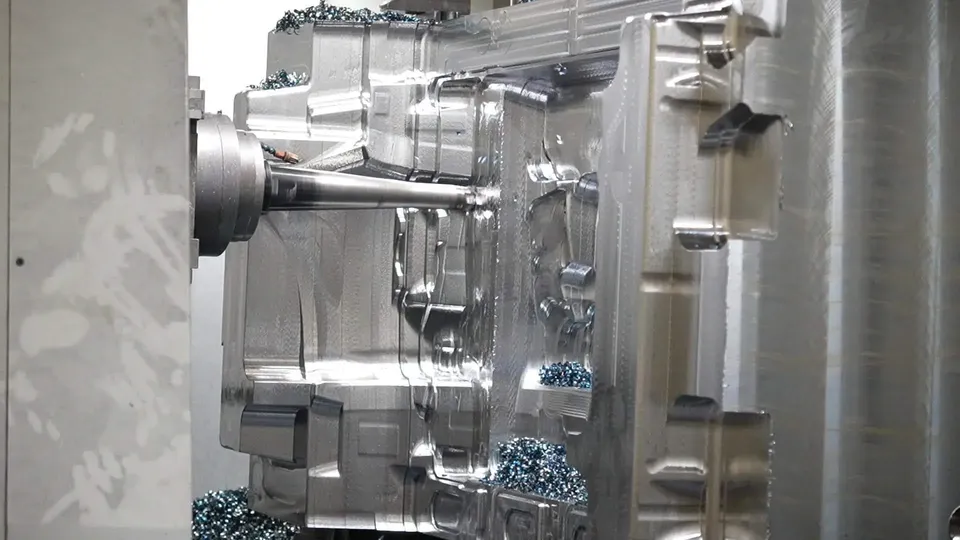
Review the early preparation stage before reference machining and detailed mold work. Starting dimensions and retained allowance are defined by the confirmed project scope.
Watch Process Video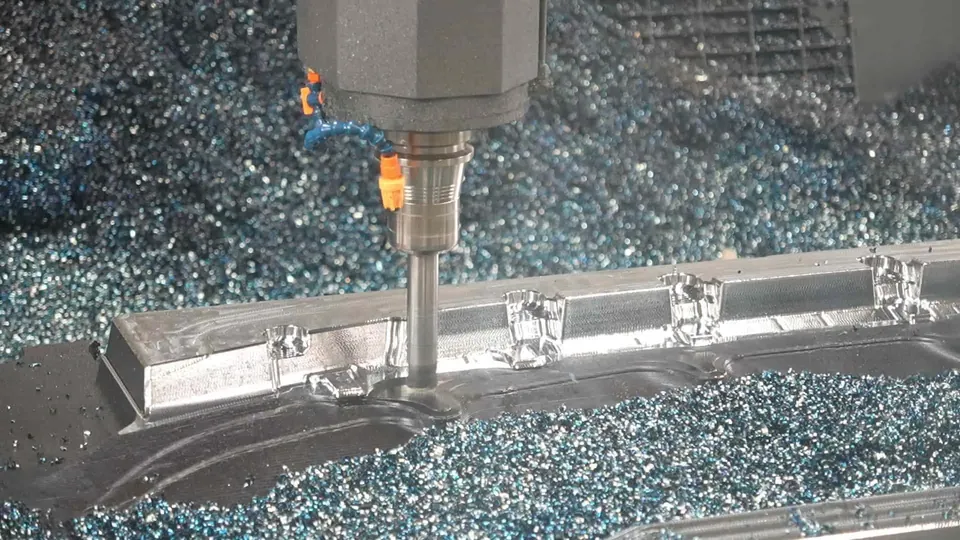
See how reference faces and block geometry are prepared for subsequent setups and dimensional control.
Watch Video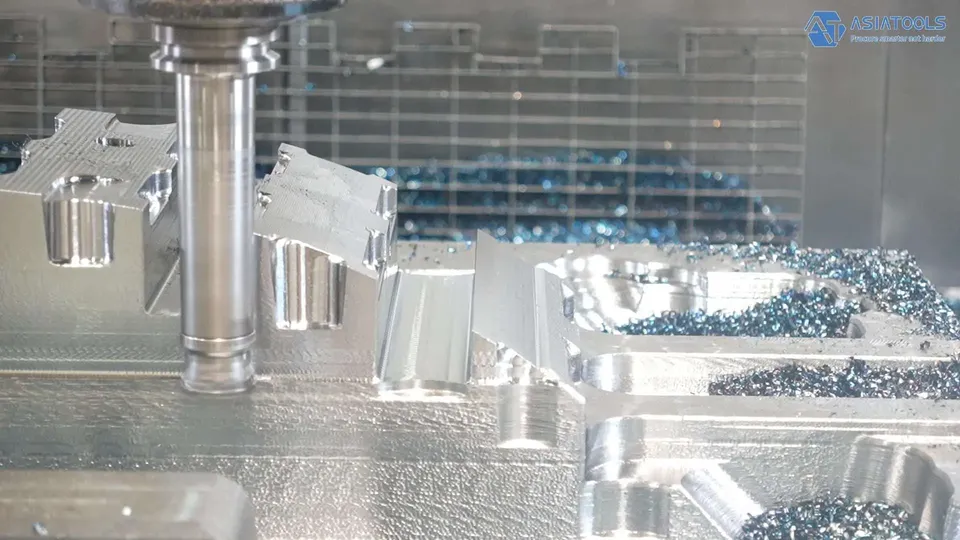
View representative rough machining used to prepare mold bases, frames, and modules for downstream operations.
Watch VideoThe agreed machining route prepares the mold block, base, frame, or module for the customer’s next finishing, EDM, grinding, inspection, or assembly operation.
 1
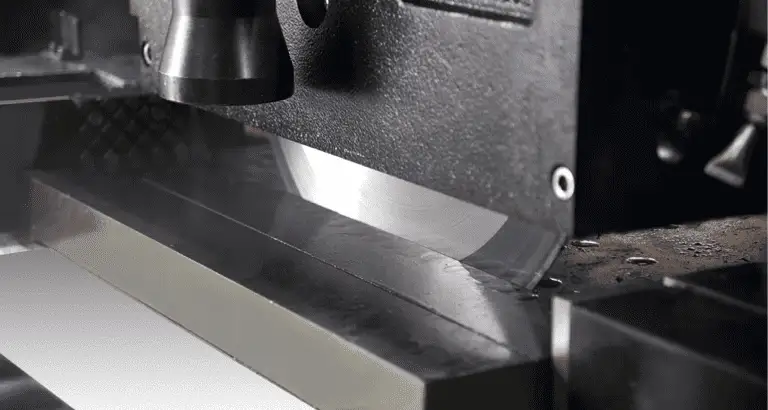
1The SAW-850 is used to cut mold steel to the agreed starting dimensions and retain the machining allowance defined for the project. The current process description lists a surface roughness of ≤ Ra25 and a tolerance reference of ±0.5 mm.
 2
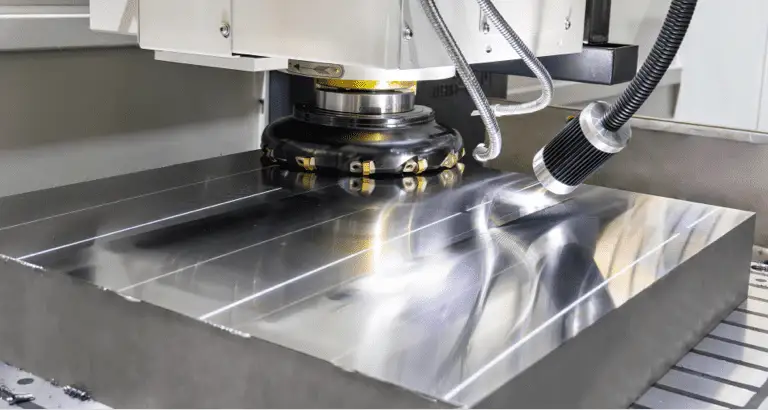
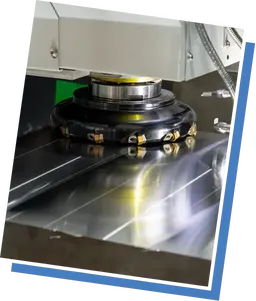
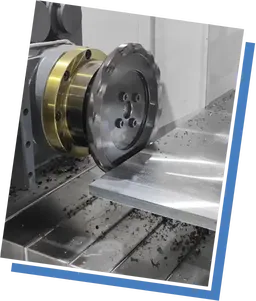
2Face milling establishes the top and bottom reference planes. The current process specification lists flatness control of ≤ 0.02 mm/500 mm and a surface finish of ≤ Ra0.8, subject to workpiece size, material, and project confirmation.
 3
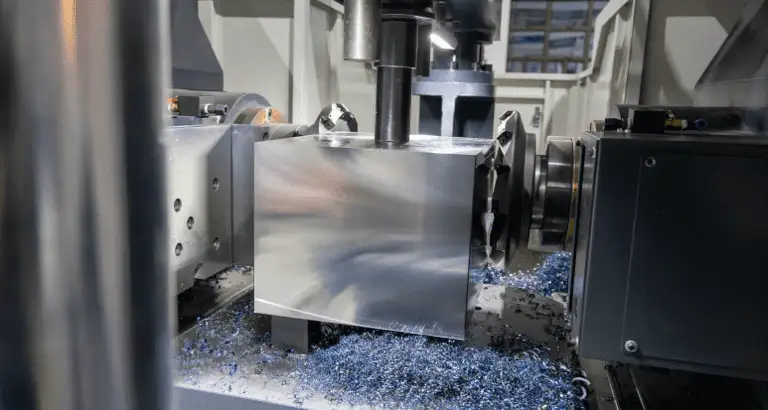
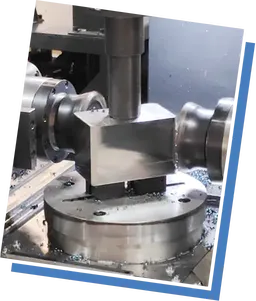
3Four-side milling prepares the external geometry of mold bases, frames, or modules. The VM-8040 and VM-7020 are shown for this stage, with the process description listing parallelism and perpendicularity control of ≤ 0.02 mm/500 mm and ≤ 0.015 mm/500 mm.
 4
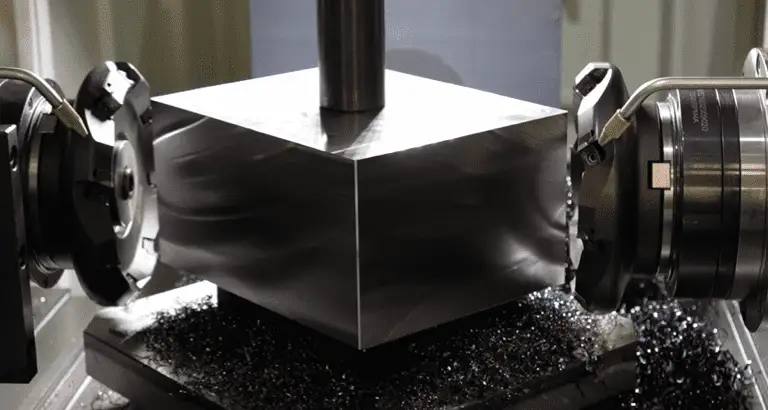
4Chamfering removes sharp edges and prepares the block for handling, assembly, or downstream operations. The website presents this step as part of the mold steel block preparation workflow.
 5
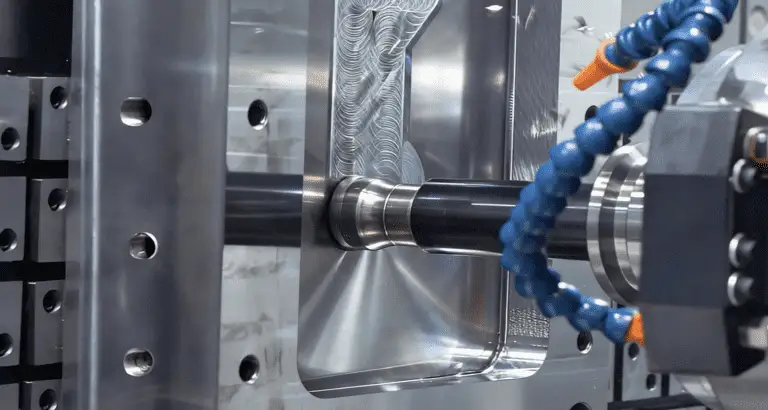
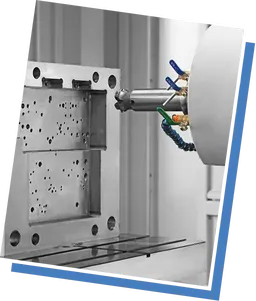
5The TH-1500 and TH-1800 are shown for rough pocketing, frame cutting, and deep cavity roughing. This stage reduces stock before finishing, EDM, grinding, or other detailed mold work.
 6
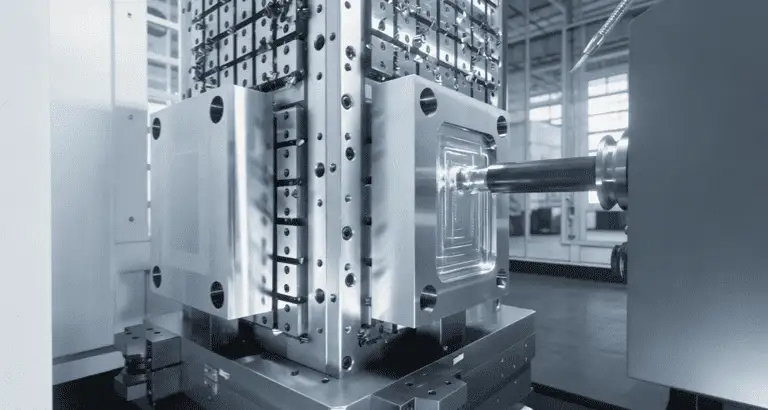
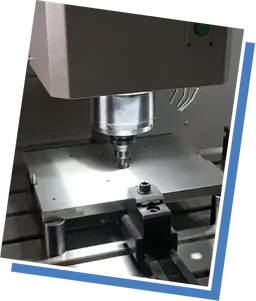
6Semi-finishing removes rough-machining marks and leaves a more consistent allowance for customer-side finishing. The WJ-1390 is presented as one of the machines used at this stage.
The service focuses on semi-finished mold and die components unless complete mold manufacture is separately confirmed.
Starting dimensions, retained allowance, and the machining boundary are reviewed before production.
Critical dimensions, documentation, and delivery condition should be stated in the RFQ.
Material selection depends on the mold application, machining route, delivery condition, durability, corrosion resistance, and downstream finishing requirements.
The exact grade, hardness condition, supply form, machining route, and final delivery condition should be confirmed in the quotation. Detailed material information remains on the dedicated Mold Steel page.
View Mold Steel Grades and Supply Forms →A clear quotation scope helps the buyer and supplier agree on the material, starting dimensions, machining allowance, datums, tolerances, inspection requirements, packaging, and delivery condition.
Define whether the order is for a block, plate, base, frame, or module prepared before final cavity machining, grinding, EDM, heat treatment, or assembly.
Provide the drawing or model, steel grade, dimensions, machining allowance, datum references, tolerances, quantity, and requested delivery date.
State critical dimensions, geometric tolerances, surface requirements, certificates, hardness verification, traceability, and inspection records.
Identify retained allowance, unfinished features, packaging, downstream operations, and the final responsibilities included in the quotation.
If a requirement is important to the project, state it in the RFQ or on the drawing so that it can be reviewed and confirmed before production.
ASIATOOLS supports mold steel sourcing and semi-finished machining within one project discussion. Before production, the drawing, material, machining scope, critical tolerances, inspection requirements, documentation, packaging, production schedule, and delivery condition are reviewed and recorded in the quotation.
The drawing, key datums, machining route, and delivery condition are reviewed against the quotation scope before production.
Mold steel supply and semi-finished machining can be coordinated within one project discussion.
Production timing and delivery expectations are confirmed according to the approved machining scope and order details.
Critical tolerances, inspection requirements, documentation, packaging, and commercial terms are recorded before production starts.
These answers clarify the information normally required to review a mold steel or semi-finished machining request.
Provide the drawing or 3D model, steel grade, dimensions, machining allowance, datums, tolerances, quantity, requested delivery date, inspection requirements, packaging needs, and shipping destination. Additional information may be requested after technical review.
ASIATOOLS presents both mold steel supply and mold machining services on its website. The exact material, machining scope, delivery condition, documentation, and commercial terms are confirmed in the quotation.
Depending on the drawing and confirmed scope, the workflow can include material cutting, reference-face machining, four-side milling, chamfering, rough pocketing, frame cutting, deep-cavity roughing, lifting-hole machining, and semi-finishing.
Tolerance capability depends on the material, workpiece dimensions, geometry, machining stage, datum design, and inspection method. Required tolerances should be shown on the drawing and confirmed before production.
Required material certificates, hardness verification, dimensional inspection records, or other documentation should be stated in the quotation request. Availability and document type are confirmed before the order is placed.
This page primarily concerns mold steel and semi-finished mold or die machining. Final cavity finishing, heat treatment, EDM, grinding, assembly, and testing are included only when they are explicitly listed in the confirmed quotation.


