

1. Introduction: Why Hard-Material Grinding Matters
Grinding high-hardness materials such as mold steels, high-speed steels, and cemented carbide is challenging due to surface burns, dimensional drift, rapid wheel wear, and thermal deformation. These issues lead to low efficiency, unstable batch quality, and high scrap rates. Therefore, a structured grinding method and a clear troubleshooting approach are essential.
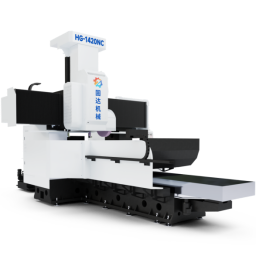
2. Core Challenges of Hard-Material Grinding and CNC Machine Advantages
2.1 Core Challenges
1. Hard materials generate high cutting resistance, causing the grinding wheel to dull quickly.
2. Grinding heat accumulates easily, resulting in surface burns, thermal cracks, or microstructural damage.
3. Poor machinability makes it difficult to maintain dimensional stability during continuous grinding.
2.2 CNC Grinding Machine Advantages
1. CNC grinders equipped with intelligent temperature control adjust heat in real time to prevent burning.
2. Automatic wheel wear compensation maintains consistent dimensional accuracy in batch processing.
3. High-rigidity machine structure and servo-driven systems minimize vibration, ensuring precision for materials above HRC50.
3. Key Operating Tips to Prevent Grinding Defects
3.1 Grinding Wheel Selection
1. For mold steels such as H13, Cr12MoV, and D2, choose CBN wheels, which offer five to ten times the wear resistance of conventional wheels.
2. For cemented carbide, use diamond wheels to minimize adhesion, edge chipping, and premature wear.
3.2 Parameter Optimization
1. Reduce grinding speed to lower heat generation and avoid thermal damage.
2. Use small feed rates to reduce grinding pressure.
2. Apply layered or step grinding to reduce heat accumulation during each pass.
3.3 Cooling System Enhancement
1. Adopt high-pressure coolant or mist cooling to allow coolant to reach the actual grinding zone.
2. Increase coolant flow to remove heat efficiently.
3. Improve chip flushing to avoid secondary scratches and surface defects.
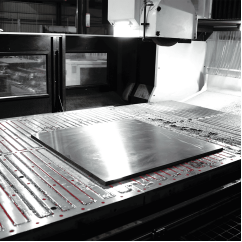
4. Troubleshooting Guide for Common CNC Grinding Issues
4.1 Surface Burns
1. Possible causes include insufficient cooling, excessive grinding speed, or a dull wheel.
2. Solutions include boosting coolant pressure, reducing wheel speed, and increasing wheel dressing frequency.
4.2 Dimensional Drift
1. Possible causes include uncompensated wheel wear or thermal deformation of the workpiece.
2. Solutions include enabling automatic compensation, calibrating the wheel regularly, and reducing heat through smaller grinding.
4.3 Wheel Cracking or Abnormal Wear
1. Possible causes include incorrect wheel grade, overloaded grinding parameters, or improper wheel installation.
2. Solutions include replacing the wheel with the correct hardness grade, reducing feed or depth of cut, and checking wheel balance and tightening conditions.

5. Conclusion
Effective CNC grinding of hard materials relies on wheel selection, heat control, and wear compensation. By selecting the proper wheel type, optimizing parameters, and enhancing cooling performance, manufacturers can significantly reduce burns, accuracy drift, and wheel wear. This ensures stable batch processing and improves the efficiency and quality of precision mold and mechanical parts.